
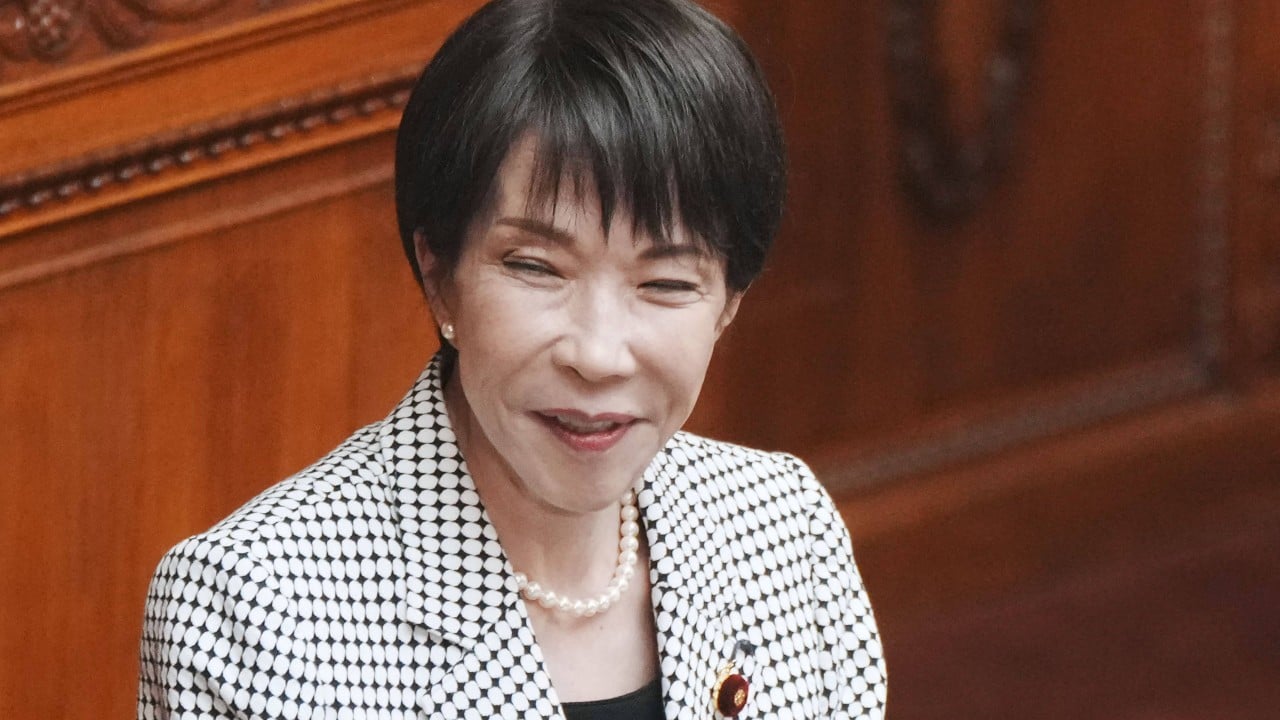
China’s official mouthpiece has publicly warned that Japan’s push toward higher defence spending and what it called “Takaichinomics” risk creating instability rather than rescuing an economy strained by a weak yen and energy pressures tied to the Iran war. The commentary, carried by the People’s Daily under the Zhong Sheng pen name, framed Tokyo’s policies as creating a “defence bubble” that will not address underlying economic vulnerabilities.
What Happened
People’s Daily, the Chinese Communist Party’s flagship newspaper, published a Tuesday commentary under the Zhong Sheng byline — a pseudonym Beijing uses to express official positions on international affairs. The piece warned that Japan’s increased military spending and associated policies, described as a looming “defence bubble,” will not rescue an economy weakened by a falling yen and the energy shock linked to the Iran war.
The commentary singled out “Takaichinomics” and what it called a trend toward “new militarism,” arguing that those measures risk economic instability. The article frames Beijing’s response as part of a wider diplomatic friction between China and Japan.
Background
People’s Daily is the principal organ of China’s ruling party and frequently articulates Beijing’s stance on regional developments. The Zhong Sheng pen name is a known conduit for commentary that represents the Chinese government’s perspective on global affairs.
In recent years Japan has pursued higher defence spending and taken a more proactive security posture in response to regional tensions. At the same time, Japan has faced currency volatility as the yen has weakened at various points, and global energy markets have been unsettled by conflict in the Middle East, including disruptions tied to the Iran war that have pushed up energy costs and supply concerns worldwide.
In the context of East Asia’s historic rivalries and contemporary security dynamics, Tokyo’s defence decisions and Beijing’s responses are part of an ongoing diplomatic conversation between the two largest economies in the region.
Why It Matters
The dispute plays into broader regional concerns over an arms buildup and reciprocal political signaling. When a leading Chinese state newspaper issues a public warning about another country’s defence spending, it is both a critique of policy and a diplomatic message intended for domestic and international audiences. Such rhetoric can raise tensions between capitals and complicate efforts to manage bilateral relations.
Beyond geopolitics, the commentary highlights the intersection of security policy and economic vulnerability. A weakening yen and higher energy prices can strain Japan’s economy; Beijing’s critique suggests that redirecting resources into defence alone may not resolve those structural pressures. For global markets, instability in major economies can ripple outward: shifts in currency values and energy costs affect trade and inflation worldwide.
For readers in Panama and Latin America, the immediate connection is indirect but real. Panama is integrated into global trade and finance networks; sustained volatility in East Asian economies can influence shipping costs, commodity prices and currency markets that in turn affect import-dependent economies. Moreover, heightened regional tensions in East Asia could reshape trade patterns and investment flows, with potential knock-on effects for multilateral economic relations.
As Beijing and Tokyo continue to exchange public and private signals over security and economic policy, the commentary from People’s Daily underscores that these debates are not purely domestic. They form part of a wider contest over strategy, influence and economic resilience in a region whose stability matters to global trade and the wider international community.