
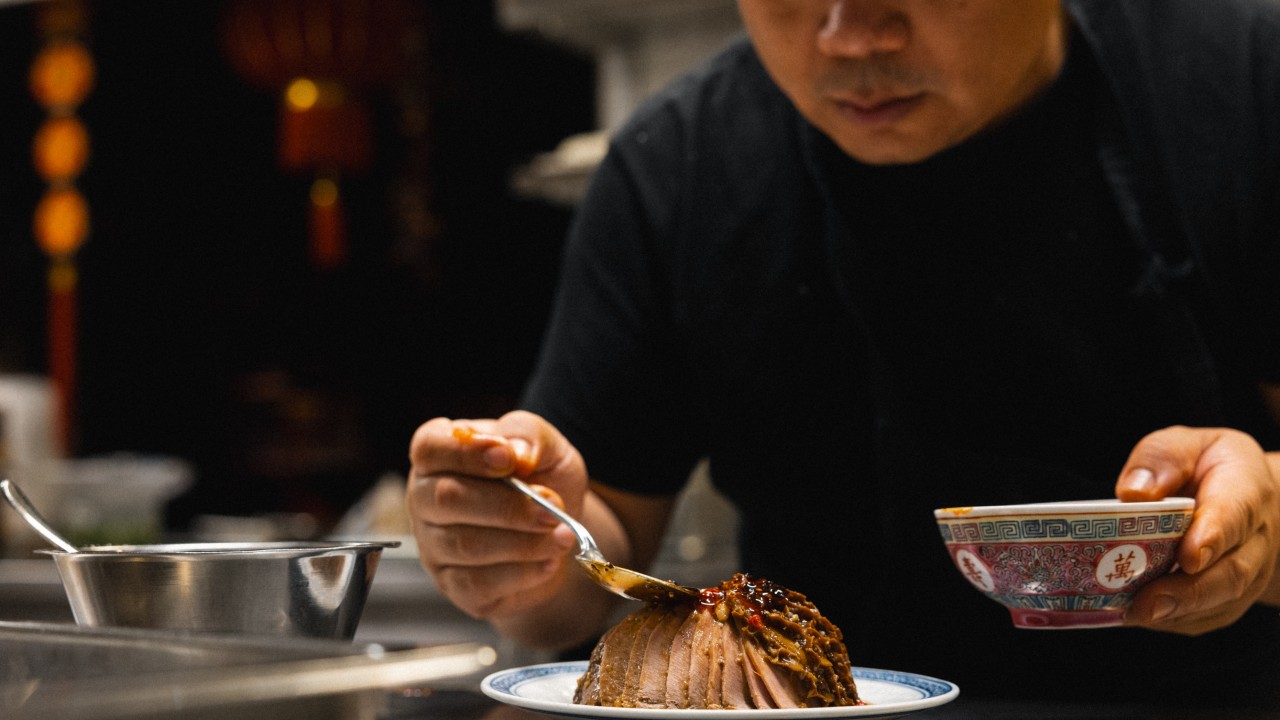
At Surfers, a Chinese restaurant in Stockholm, a spontaneous burst of song and a shared shout of “ganbei” — then a swallow of baijiu — serve as a reminder that food can be a doorway into living culture, not just a set of dishes on a menu. The scene, captured during a recent meal, illustrates how one establishment is presenting Chinese traditions in ways that surprise and engage diners in Sweden’s capital.
What Happened
Partway through dinner at Surfers, Ludvig Saaf launched into a Mongolian drinking song about fermented mare’s milk. Few in the room understood the Mandarin lyrics, yet the moment became communal: diners answered each rousing “Hey!” and concluded with a chorus of “ganbei,” the Chinese term equivalent to “cheers,” before downing small glasses of baijiu, a traditional Chinese spirit. The scene blends language, ritual and alcohol into a single dining experience.
Background
Baijiu is a potent distilled spirit with centuries of history in China, commonly used in toasts and celebrations. “Ganbei” is the customary exclamation used when participants clink glasses and drink together. The Mongolian song referenced celebrates kumis, a fermented mare’s milk known across Central Asian cultures, illustrating how regional practices from within and near China can surface in contemporary dining settings.
Across many global cities, restaurants increasingly aim to offer more than food: they curate atmospheres, music and rituals that reflect broader cultural practices. In Stockholm, a city known for a vibrant and diverse food scene, Surfers’ approach — combining cuisine with live performance and traditional toasting — exemplifies that trend.
Why It Matters
This moment at Surfers highlights a broader shift in how international cuisines are presented and received. For many diners, authentic cultural cues — a traditional song, a communal toast, a local spirit — deepen understanding and challenge simplified or stereotyped notions of what “Chinese food” means. Rather than being limited to familiar dishes, patrons experience a cross-section of cultural elements that span language, drink and ritual.
For readers in Panama and across Latin America, the story is relevant as an example of how culinary venues can act as sites of cultural exchange. Cities with diverse populations increasingly host such experiences, helping residents and visitors discover unfamiliar customs in approachable, convivial settings. That can broaden public appreciation of other societies and open new avenues for soft diplomacy, tourism and cultural curiosity.
Ultimately, the Surfers scene underscores that dining is often social storytelling: a song, a toast and a shared drink can convey history and identity as vividly as any plate. In doing so, restaurants that foreground those elements invite patrons to participate in culture, not merely consume it.