
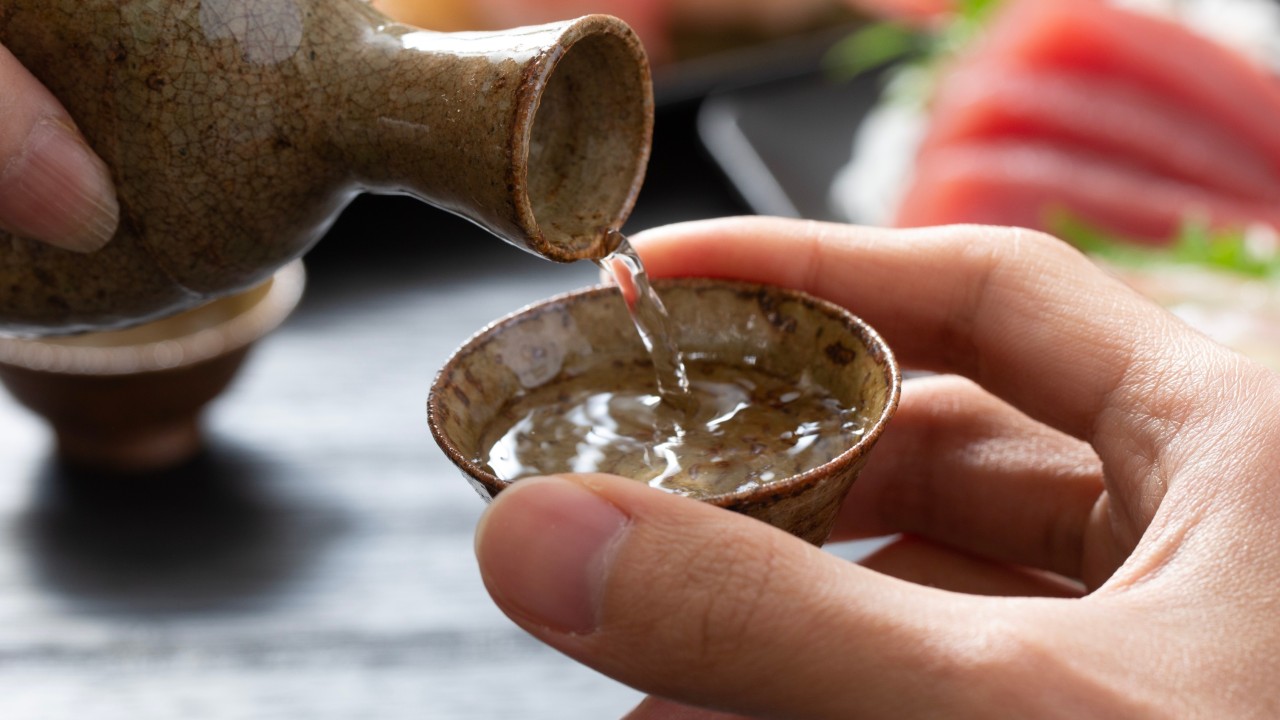
Sake is more than the small warm cup you might receive at a sushi counter. The traditional Japanese rice drink, brewed from rice, yeast, water and koji, offers a wide spectrum of flavours and styles—some delicate and floral, others full-bodied and umami-rich. Understanding how it is made and the categories used to describe premium bottles can open a new world for diners, sommeliers and curious drinkers across the globe.
What Happened
If your experience with sake is limited to the warm cup at a local sushi spot, you are missing the larger world of the beverage. Unlike spirits, sake is brewed, not distilled. Its basic ingredients are rice, yeast, water and koji, a mould used to convert rice starch into fermentable sugars. Premium sakes sometimes include a small amount of distilled alcohol to influence aroma and texture, while some producers add other ingredients for flavour; many traditionalists, however, prefer sakes made only from the essential four ingredients.
Background
Sake production blends elements that will be familiar to wine and beer lovers with techniques that are uniquely Japanese. Koji (Aspergillus oryzae) is central: it breaks down rice starch into sugars that yeast can ferment, enabling simultaneous saccharification and fermentation. Rice milling—or polishing—also shapes a sake’s character. The more the outer layers of the rice grain are polished away, the closer a brew typically moves toward the aromatic, refined qualities associated with premium classifications.
Industry and tradition use labels that help consumers navigate styles. Terms such as Junmai indicate a pure rice sake with no added distilled alcohol, while Honjozo refers to sakes where a small amount of distilled alcohol has been added. Ginjo and Daiginjo denote more highly polished rice and more labor-intensive production methods, often yielding lighter, more fragrant sakes. These categories do not cover the full range—producers also vary yeast strains, water sources and fermentation practices to create distinct profiles.
Temperature and serving method matter. Some sakes are best chilled to highlight delicate aromatics, while others express fuller, richer flavours when warmed. The same bottle can present different facets depending on temperature, glassware and whether it is tasted alone or with food.
Why It Matters
Sake’s growing profile matters culturally and commercially. As Japanese cuisine has spread globally, so has interest in its native beverage, prompting restaurants, bars and retailers to expand selections and educate staff. For diners in Panama and Latin America—where sushi and other Japanese dishes are increasingly popular—knowing the basics of sake can enhance dining choices and deepen culinary experiences.
For hospitality professionals and retailers, understanding sake classifications and production methods helps match bottles to menus and customers. For consumers, recognizing that premium sakes may contain a touch of distilled alcohol and that koji is the key fermentation agent demystifies tasting notes and labelling. Exploring a range of styles—Junmai’s rice-centered depth, Ginjo’s floral lift, or richer, aged varieties—can change how people pair sake with both Japanese and non-Japanese foods.
Finally, sake illustrates how traditional food and drink can adapt to global tastes while retaining artisanal techniques. Whether appreciated by wine lovers seeking new terroir or by diners wanting better matches with food, sake rewards attention. Moving beyond the stereotypical warm cup reveals a nuanced beverage with regional variation, technical craft and a range of expressions worth exploring.
For readers curious to try something new: ask a server for the producer and category, try the same sake at different temperatures, and pair bottles both with sushi and with local dishes to discover complementary flavours.