
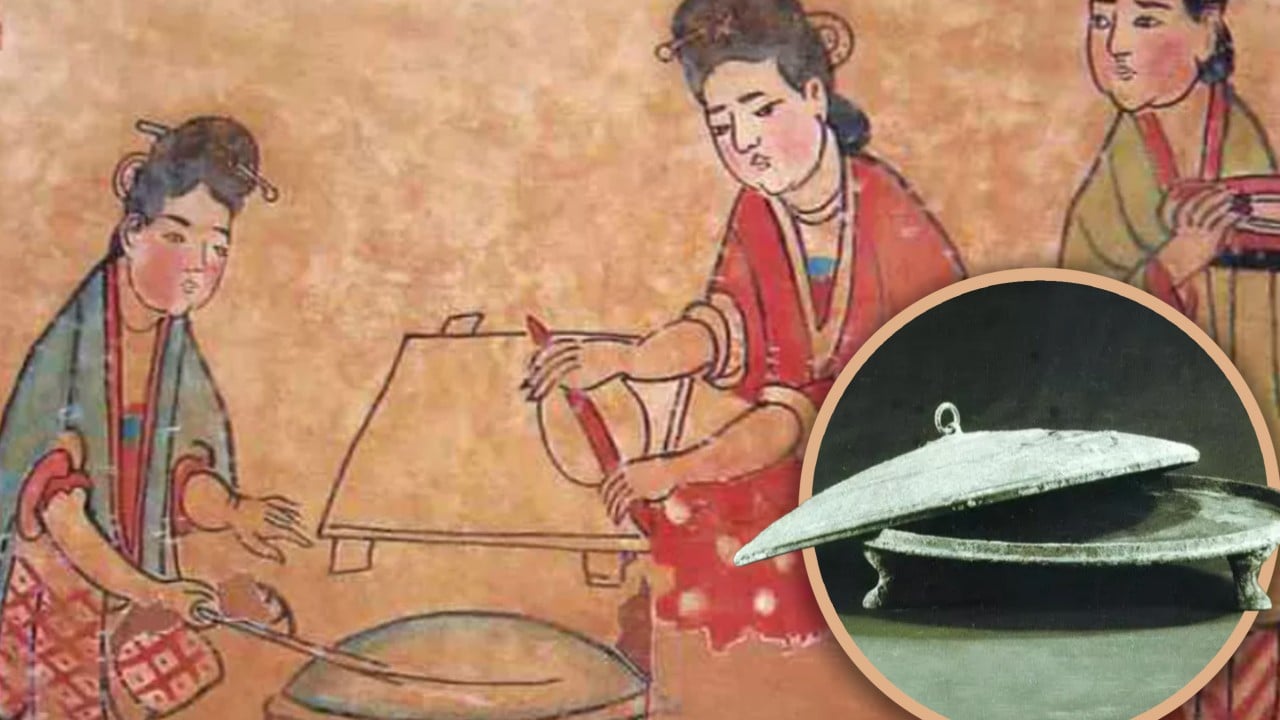
A recent archaeological find at the Yangshao site in central China’s Henan province has tied the origins of Chinese pancakes to at least 5,000 years ago, offering a rare material connection between a ubiquitous modern breakfast and China’s ancient culinary past. References to pancake-like foods also appear in ancient paintings and poems, and folklore traces the dish back to the creation myths surrounding the goddess Nuwa.
What Happened
Archaeologists working at the Yangshao site unearthed an ancient griddle that researchers say indicates pancake-like cooking in the region could date back roughly five millennia. The discovery supports literary and artistic traces of thin, griddle-cooked breads in China’s long cultural record. Popular origin tales also weave the dish into myth: one legend credits the appearance of pancakes to Nuwa, the mother goddess who, according to traditional stories, mended the broken heavens.
Background
The Yangshao site lies in Henan province and is associated with one of China’s well-known Neolithic cultures. Finds at Yangshao and comparable sites have previously illuminated early pottery, textiles and subsistence practices, and this recent griddle adds a culinary dimension to that archaeological picture. Across Chinese historical sources, simple flatbreads and griddle-cooked foods have long featured in visual art and poetry, indicating both commonplace use and cultural resonance through successive periods.
Food archaeologists and historians often rely on durable items such as baking stones, griddles, and residues to reconstruct ancient diets. While written and pictorial records capture cultural meanings and recipes, material finds anchor those records in everyday technology — the tools people used to prepare and share meals.
Why It Matters
The discovery is significant beyond novelty. It underscores continuity in culinary practice from Neolithic village life to contemporary tables, showing how a simple method of cooking has persisted and evolved. For scholars, the find helps map the development of cooking technologies and dietary habits in early agrarian societies of East Asia. For the public, it offers a tangible link between modern Chinese culinary identity and ancient daily life.
There are broader cultural and social echoes as well. Chinese food traditions have travelled with migrants and shaped cuisines worldwide, including across Latin America. Findings that highlight the depth of those traditions provide context for the global popularity of Chinese dishes and for the cultural heritage celebrated by Chinese communities abroad, including those in Panama.
Finally, archaeological evidence like this can prompt new interdisciplinary study — combining archaeology, food history and folklore — to better understand how simple foods carry complex meanings across time. The griddle from Yangshao joins a growing body of finds that illuminate how ordinary technologies helped shape social and cultural life in ancient China.