
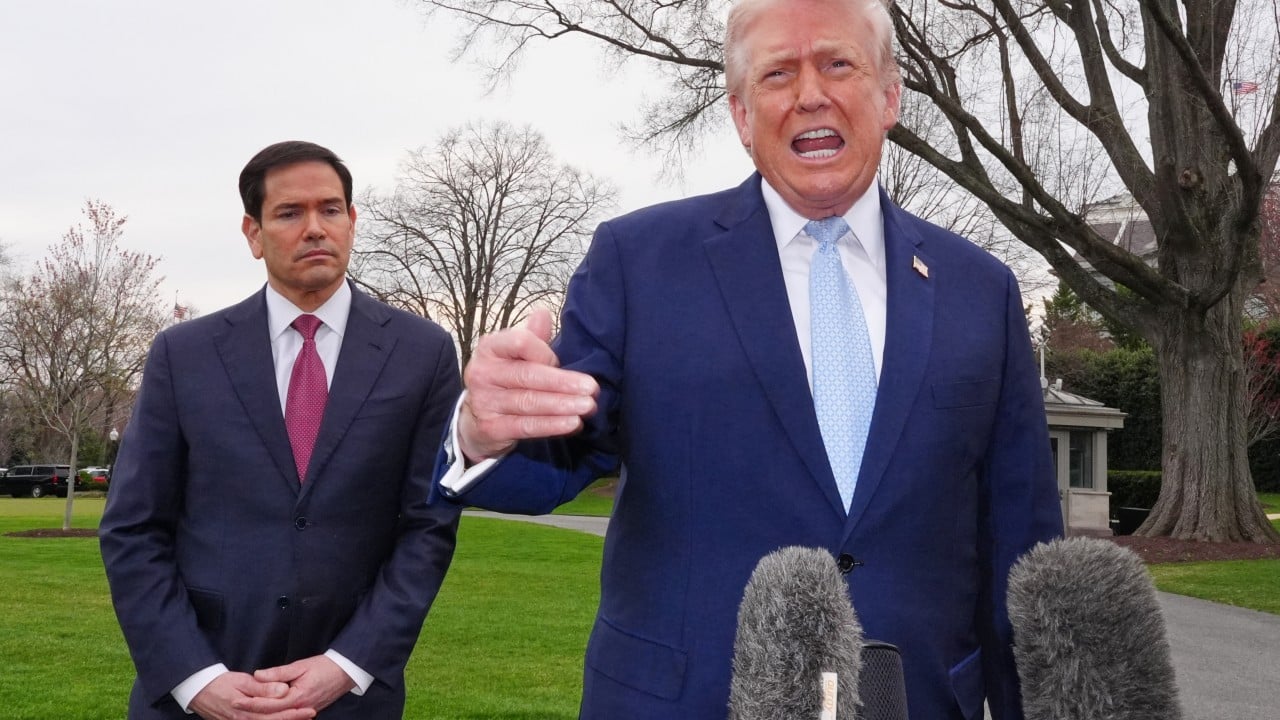
U.S. President Donald Trump said on Friday he is considering “winding down” military operations directed at Iran and suggested that countries that use the Strait of Hormuz would need to take responsibility for guarding the vital waterway. The comments, posted on social media, come amid ongoing tensions in the Gulf and raise questions about the future of U.S. military engagement in the region and the security of global energy and shipping routes.
What Happened
President Trump posted on social media that Washington is “getting very close to meeting our objectives” and that it is considering a reduction of its “great Military efforts in the Middle East with respect to the Terrorist Regime of Iran.” He also said the Strait of Hormuz, a strategic chokepoint for international shipping, would have to be “guarded and policed, as necessary, by” other nations that rely on the corridor.
The president’s remarks provide the clearest public indication to date from Washington that it is contemplating a scaled-back military posture aimed at Tehran. The statement did not include specific timelines, troop movements, or details about which nations might assume security responsibilities for the strait.
Background
The Strait of Hormuz is one of the world’s most important maritime chokepoints. A substantial share of global seaborne oil and liquefied natural gas passes through the narrow waterway that separates the Persian Gulf from the Gulf of Oman, making its security a core concern for energy markets and international trade.
U.S. military forces have for decades been active in the Middle East, in part to protect shipping lanes and to counter perceived threats from regional actors. Relations between Washington and Tehran have been fraught for years, with episodes of confrontation, sanctions, and proxy tensions across the region. Naval escorts, freedom of navigation operations and multilateral coalitions have been used at times to reassure shipping and deter attacks on commercial vessels.
Why It Matters
A potential U.S. drawdown in military operations aimed at Iran could have several effects. If Washington reduces its direct role in policing the Strait of Hormuz, regional states and international partners would face pressure to fill the security vacuum to keep oil and goods flowing. That could lead to new naval deployments, security agreements, or increased coordination among Gulf states, European navies and other user countries.
For Panama and Latin America, the impact would be indirect but tangible. Global oil prices and shipping costs are sensitive to perceived risks in the Gulf; disruptions or higher insurance premiums for vessels transiting the region can ripple through global supply chains and influence fuel prices worldwide. Panama’s economy, closely tied to international trade and the operation of the Panama Canal, is sensitive to global maritime flows and energy markets, so changes in Gulf security dynamics warrant attention.
Strategic responsibilities for securing international waterways typically rest on a mix of national navies, coalitions and international law. President Trump’s remarks open the door to negotiations over burden-sharing in Gulf security — but without specifics, they leave open questions about timing, allied responses and the near-term security posture in one of the world’s most critical shipping corridors.