
What Happened
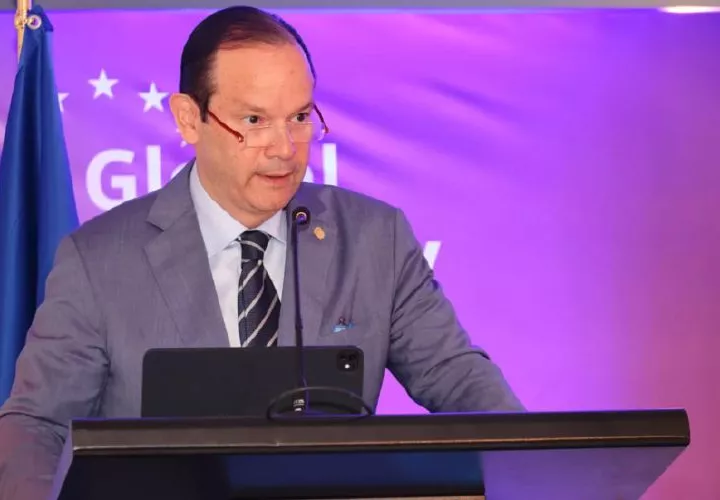
Panama’s Foreign Minister Javier Martínez-Acha publicly rejected what he called “discriminatory lists” at the inauguration of the European Union-Central America Forum 2026. Speaking at the event, Martínez-Acha said: “Panama does not deserve to be on any discriminatory list, of any bloc, of any organization, of any country, on any list. The only list on which Panama deserves to be in the European Union is on the list of friends.”
Panama’s Position and Call for Reciprocity
Martínez-Acha thanked European countries that have supported Panama’s efforts to be removed from those lists and framed the demand as part of a broader strategy to improve Panama’s international image and attract investment. He asserted that “Panama is not seeking concessions; Panama is offering solutions,” and said that under President José Raúl Mulino the country will “firmly and with dignity continue to defend its place in the world as an open, reliable country.”
The foreign minister also stressed a perceived lack of reciprocity from the EU, warning that “you have to do more for Panama because now Panama has a lot to do at a difficult time,” and adding that Panama has been “poorly compensated” despite responding to international expectations. He framed Panama and the Central American region as reliable allies committed to transparent trade, international law and values-based cooperation.
EU Commitments and Forum Priorities
At the forum, the European Union reaffirmed financial support of $1.2 billion through 2027 for infrastructure projects in Central America, with a primary focus on renewable energy. The EU-Central America Forum agenda included discussions on railway infrastructure, sustainable logistics, green maritime corridors, sustainable mobility, clean transport, energy integration, connectivity and technological cooperation.
What This Means
The public demand for removal from “discriminatory lists” underscores Panama’s effort to protect its international standing and to present itself as an investment-friendly partner. By pairing that diplomatic push with engagement on regional infrastructure and green energy—backed by a significant EU funding pledge—Panama is seeking both reputational rehabilitation and concrete cooperation that could support economic and connectivity projects.
How the EU responds to calls for reciprocity and whether specific designations are changed will influence Panama’s diplomatic relations with European partners and could affect investor perceptions. For now, Panama’s government is emphasizing dialogue, regional unity, and continued cooperation on sustainable development priorities discussed at the forum.