
What Happened
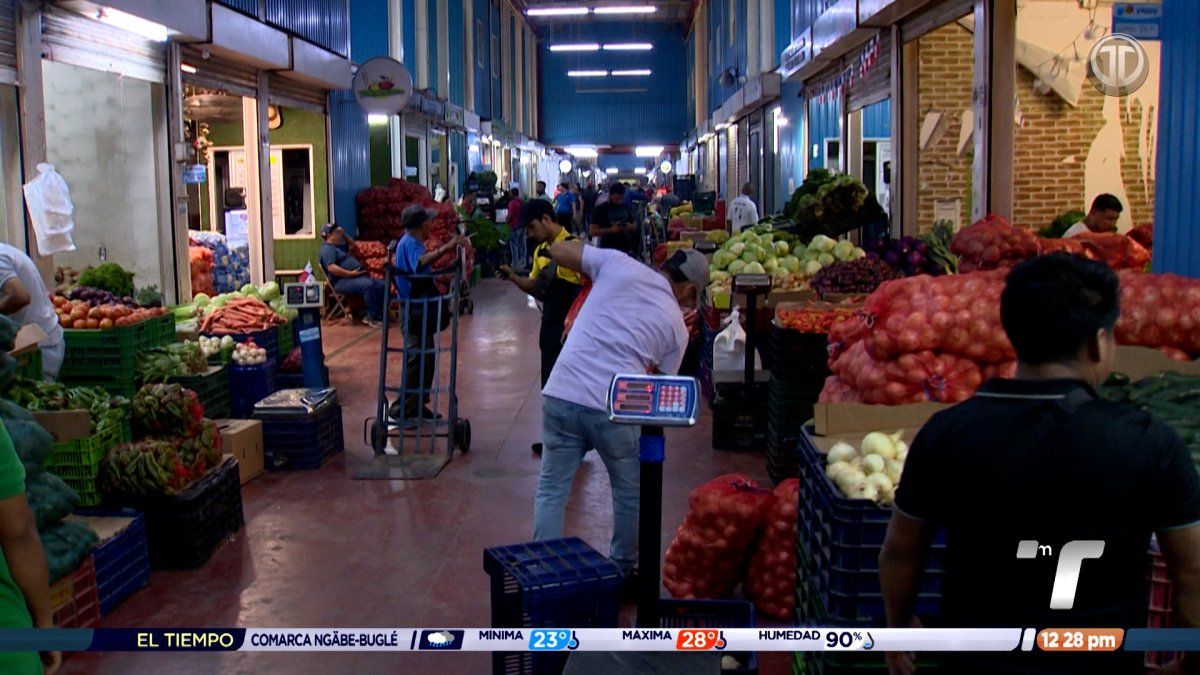
Merchants at Merca Panamá report that the immediate effects of recent fuel price increases have so far not translated into higher prices at the market. Traders say current retail prices remain stable, but they warned that the situation could change in the coming days if freight costs continue to rise.
Background
Merca Panamá is a central wholesale market supplying retailers and vendors across the country. Higher fuel prices typically increase transportation and logistics costs, which are often passed along through supply chains. According to local merchants, that pass-through has been contained up to now, but the margin for absorbing additional cost increases is limited.
What This Means
For consumers, the immediate outlook is one of short-term price stability at the market level. However, if freight and shipping expenses continue to climb, merchants may be forced to raise sale prices to cover higher operating costs. That could affect prices for produce and other goods sold through Merca Panamá and, by extension, retail outlets that source from the market.
For small retailers and wholesalers who operate on thin margins, rising freight costs present a particular risk. They may have fewer options to absorb higher transport charges without increasing prices or reducing volumes. The dynamics also underscore how fluctuations in global or regional fuel markets can quickly feed into domestic food and supply costs.
What to Watch
Merchants and consumers should monitor freight cost movements and any further fuel price adjustments. Market operators and local authorities might also play a role in monitoring supply-chain disruptions and ensuring transparency in price formation to help mitigate sudden shocks to consumers.