
What Happened
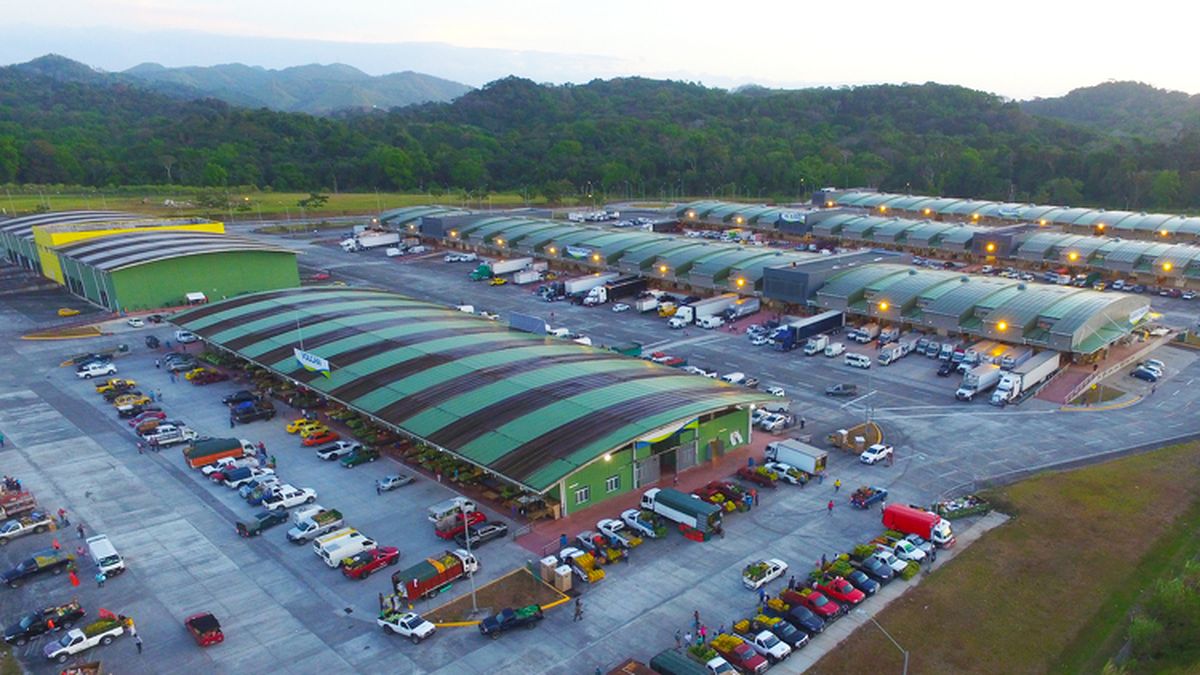
Merchants at Merca Panamá have warned that recent increases in gasoline prices are already affecting transportation costs and could lead to higher food prices for consumers, Telemetro reported on March 20, 2026. The traders say the rise in fuel costs is being felt in the supply chain, particularly in the movement of food from producers to markets.
How the Impact Is Spreading
Higher fuel costs typically increase the operating expenses for drivers, distributors and wholesalers who move perishable and nonperishable goods. When transportation and logistics expenses rise, merchants and transporters may pass those costs along to retailers and ultimately to consumers. According to the merchants’ statements to Telemetro, this mechanism is beginning to play out in Panama’s food distribution channels.
What This Means for Consumers and Businesses
If transport-related costs continue to climb, shoppers could see increases in the prices of basic food items. Small retailers and market vendors that operate on thin margins may face pressure to adjust their prices to cover higher delivery and handling fees. For consumers, particularly lower-income households that spend a larger share of income on food, even modest increases can affect household budgets.
Broader Context
Fuel price fluctuations can ripple through an economy because energy is a core input for many services and goods. Increased gasoline costs affect not only direct transport but also other areas such as cold-chain logistics for perishables, deliveries to secondary markets, and the cost structure of food processors. While the Telemetro report focuses on the early warnings from Merca Panamá traders, the full extent and duration of any price changes will depend on how long fuel prices remain elevated and whether government or market responses mitigate pass-through.
What to Watch
Consumers and observers should watch official announcements on fuel pricing and any measures from authorities to stabilize supply-chain costs. Traders at Merca Panamá and retailers will be key indicators of whether transport cost pressures translate into sustained food-price increases. Further reporting from market actors and official statistics will be needed to track the development of price changes across food categories.
Originally reported by Telemetro – Latest News.