
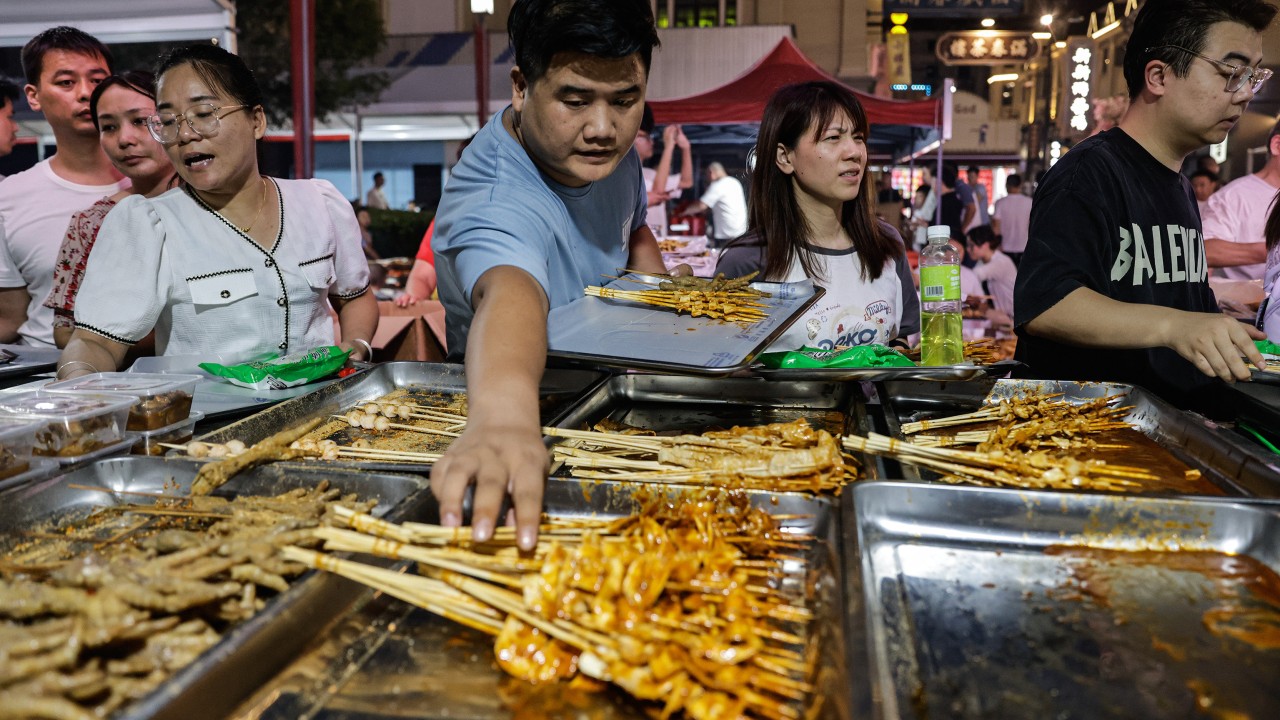
A writer in New York says a single word — “Chinese” — rarely captures the full range of tastes, memories and identities carried by people from Greater China. Faced with the routine question “Where are you from?” the author describes how regional cuisines and familiar dishes provide a steady point of belonging after moving overseas.
What Happened
The piece recounts a common experience: being asked about one’s origin and responding simply “I’m Chinese,” only to encounter disappointment from the questioner. Rather than spiral into an identity crisis, the author finds reassurance in food. Their culinary habits and preferences — the flavors, dishes and eating rituals that surfaced after moving abroad — became a tangible expression of Chineseness that felt more precise and comforting than a national label.
Background
Chinese identity is often expressed through regional cuisines that vary widely across geography and history. From Cantonese dim sum and seafood traditions to the spicy profiles of Sichuan and Hunan, and the wheat-based dishes of northern China, the food landscape encompasses distinct ingredients, techniques and local cultures. In global cities such as New York, immigrant communities have recreated and adapted these regional cuisines, producing neighborhoods and restaurants where different traditions are visible and accessible.
New York City, for example, is home to multiple Chinese-speaking neighborhoods and a broad spectrum of restaurants that reflect this diversity. For many migrants and second-generation residents, those eateries are not just places to eat: they are social spaces where language, ritual and memory are preserved and negotiated. Food thus becomes a readily understood shorthand for identity when other forms of description feel inadequate.
Why It Matters
Understanding how cuisine anchors identity helps explain why a simple label like “Chinese” can feel insufficient to the people it describes. Food conveys regional origin, family histories and migration stories in ways that single-word national identities rarely do. This matters for how communities are seen and how questions about belonging are framed—by strangers, institutions and media alike.
For readers in Panama and across Latin America, the piece resonates with familiar dynamics: immigrant cuisines frequently serve as cultural touchstones in cities from Panama City to São Paulo. Chinese communities in the region have long contributed restaurants, markets and culinary traditions that shape local food scenes and social networks. Recognizing the diversity behind umbrella terms encourages more precise, respectful conversations about identity and the lived experiences of migrants.
At a practical level, the focus on culinary identity points to the importance of preserving and supporting diverse immigrant businesses and cultural spaces. Whether through patronage, coverage or policy that recognises small food enterprises, celebrating the many tastes behind a label helps sustain cultural knowledge and economic livelihoods tied to regional cuisines.
Ultimately, the account in New York underscores a simple truth: food does more than feed the body. It anchors memory, communicates belonging and offers a language for identities that resist being reduced to a single word.