
What Happened
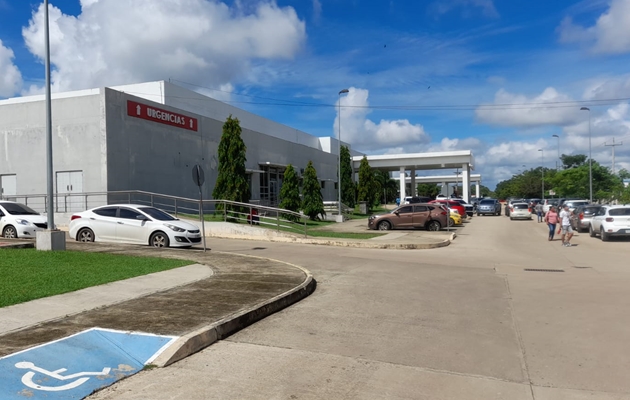
Medical teams in Los Santos attended more than 200 cases per day during the first three days of Carnival, regional health authorities reported. Cases treated at emergency rooms included accidents, fights, dehydration and stomach problems related to food and drink consumption, according to Dr. Ayvar Hernández, director of the Región de Salud de Los Santos.
Authorities also coordinated transfers: on Sunday and Monday of Carnival there were nine patient transfers from Los Santos to Panama City for specialized evaluation.
Health Services and Capacity
The Región de Salud de Los Santos kept emergency services operational across the province during the holiday. The functioning facilities named by the Ministry of Health (Minsa) include Hospital Anita Moreno de La Villa, the hospital in Tonosí, Joaquín Pablo Franco Sayas Hospital in Las Tablas, and the Minsa-CAPSI centers in Macaracas and Pedasí. Keeping these services available was central to the regional response as hundreds of people sought urgent care.
Food Safety and Regulatory Actions
As part of the Ministry’s measures during the festivities, the Department of Food Control and Veterinary Surveillance inspected 407 fixed and mobile food and beverage points of sale up to Monday of Carnival. Inspections resulted in 11 seizures, including 67 boxes of cigarettes found for retail sale and display, six fines for vendors lacking food handler cards, and five citations issued to fixed establishments.
Background
Carnival is a busy period across Panama’s provinces, and Los Santos — known for its large public celebrations — mobilized health and inspection teams to respond to the peak in attendances and to monitor food safety. The health region’s summary provides a snapshot of demand on emergency services and the parallel regulatory effort to protect public health during the festivities.
What This Means
The reported daily caseload of more than 200 patients underscores the pressure on local emergency services during large public events. Continued operation of multiple hospitals and Minsa-CAPSI centers, plus coordination for specialized transfers to Panama City, appears to have been key in managing more serious or specialized cases. The food inspections and resulting seizures and fines reflect active sanitary oversight aimed at preventing foodborne illness and unsafe commercial practices during the holiday.
Regional authorities will likely assess outcomes from the Carnival period to inform preparedness for future high-demand events and to refine inspection and public-health messaging for vendors and attendees.