
What Happened
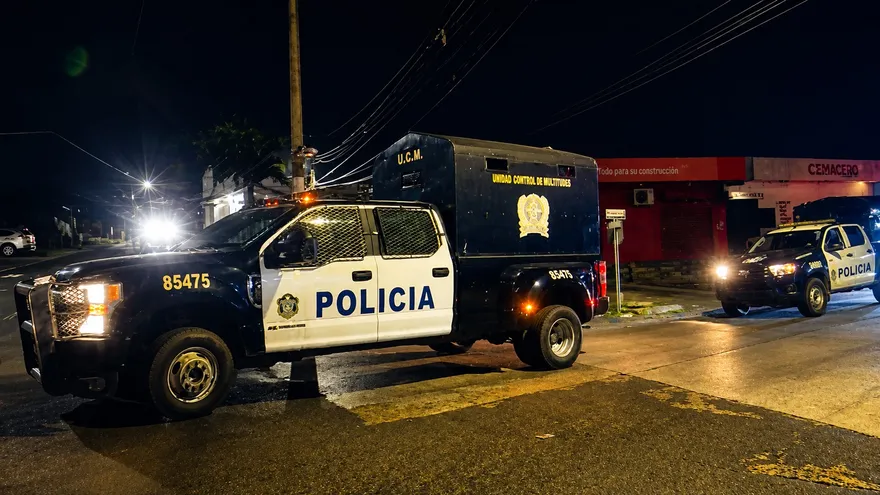
Local authorities in the district of David, in Chiriquí province, have announced a targeted curfew in specific areas as part of a strategy to curb crime. The measure is designed to apply only in selected zones rather than across the entire district, signaling a more localized approach to public security.
Officials also plan to restrict alcohol sales in connection with the new security measures. In Panama, curfews and limits on liquor sales are often used together during periods of elevated concern about street crime, disturbances, or youth involvement in risky behavior, especially in urban areas where authorities want to reduce nighttime incidents.
Why David Matters
David is one of Panama’s most important cities outside the capital and serves as a commercial and transportation hub for western Panama. Because of its role as the administrative center of Chiriquí, any security policy in David can affect business activity, evening mobility, and public life far beyond the specific neighborhoods where the restrictions are applied.
Targeted security controls are generally intended to focus police attention where authorities believe the risk is highest while avoiding blanket restrictions on the rest of the district. For residents and merchants, the practical impact will depend on which areas are covered, what hours apply, and how strictly the rules are enforced.
Broader Security Context
Panama has periodically turned to localized curfews, alcohol restrictions, and increased police presence as tools to respond to crime trends. These measures are usually presented as temporary interventions meant to restore order quickly while broader prevention and enforcement efforts continue.
The mention that the approach could be expanded to other provinces suggests officials are watching whether the David model produces results. If the policy is seen as effective, similar restrictions could be considered in other parts of the country facing comparable public-safety pressures.
What Residents and Businesses Should Watch
For people living in David, the main issues to watch are the exact neighborhoods included, the schedule for the curfew, and the scope of the liquor-sale limits. Businesses that operate at night, including restaurants, convenience stores, and entertainment venues, may need to adjust operating hours if the restrictions are enforced in commercial areas.
Residents should also pay attention to how local police coordinate with municipal authorities and whether the measure is paired with increased patrols or checkpoints. In Panama, the success of these interventions often depends not only on the rule itself but on consistent enforcement and clear communication with the public.
If the policy is extended beyond David, it could become part of a wider national debate over how far authorities should go in using curfews and alcohol controls to address crime. That makes the coming implementation in Chiriquí a useful test case for other provinces.