
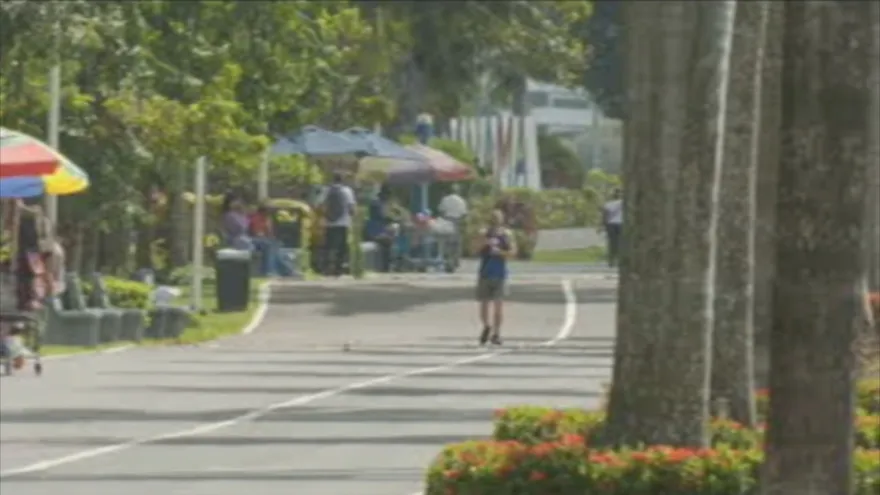
What Happened
Panama is facing a stretch of hotter-than-usual conditions, according to the National Institute of Meteorology and Hydrology, which says the rise in temperature is tied to seasonal weather patterns. A new intrusion of Sahara dust is also expected, adding to the feeling of heat across the country.
The combination of intense sunshine, warm air, and dust in the atmosphere can make conditions feel even more uncomfortable, especially during the midday hours. In Panama, that effect is often felt most strongly in urban areas and regions with less cloud cover.
Why the Heat Feels Stronger
Sahara dust is a recurring weather phenomenon that reaches the Caribbean and Central America on a seasonal basis. When it arrives over Panama, it can affect visibility and increase the perception of heat by reducing atmospheric clarity and contributing to a hazy sky.
Even when temperatures do not rise dramatically on a thermometer, the environment can feel hotter because of humidity, direct sunlight, and suspended dust particles. That combination can be particularly noticeable for people spending time outdoors, commuting, or working in exposed areas.
What It Means for Daily Life
Periods of elevated heat often affect routines across Panama, from school and work schedules to outdoor activities and transportation. Residents commonly respond by seeking shade, staying hydrated, and limiting prolonged exposure during the hottest part of the day.
The seasonal arrival of dust from Africa also serves as a reminder of how weather patterns in Panama are influenced by regional and transatlantic conditions. These events are closely watched because they can shape comfort levels, air quality, and the overall feel of the dry season or transitional weather periods.
Broader Context
Panama regularly experiences climate variations linked to the movement of tropical air masses, ocean conditions, and dust outbreaks. Meteorological alerts and forecasts help the public prepare for changes in temperature and sky conditions, especially when heat is accompanied by low visibility or higher discomfort levels.
For many residents, the main impact is not only the number on the thermometer, but the way the atmosphere makes the day feel. With Sahara dust expected to arrive, that sensation of heat is likely to become more pronounced in the days ahead.