
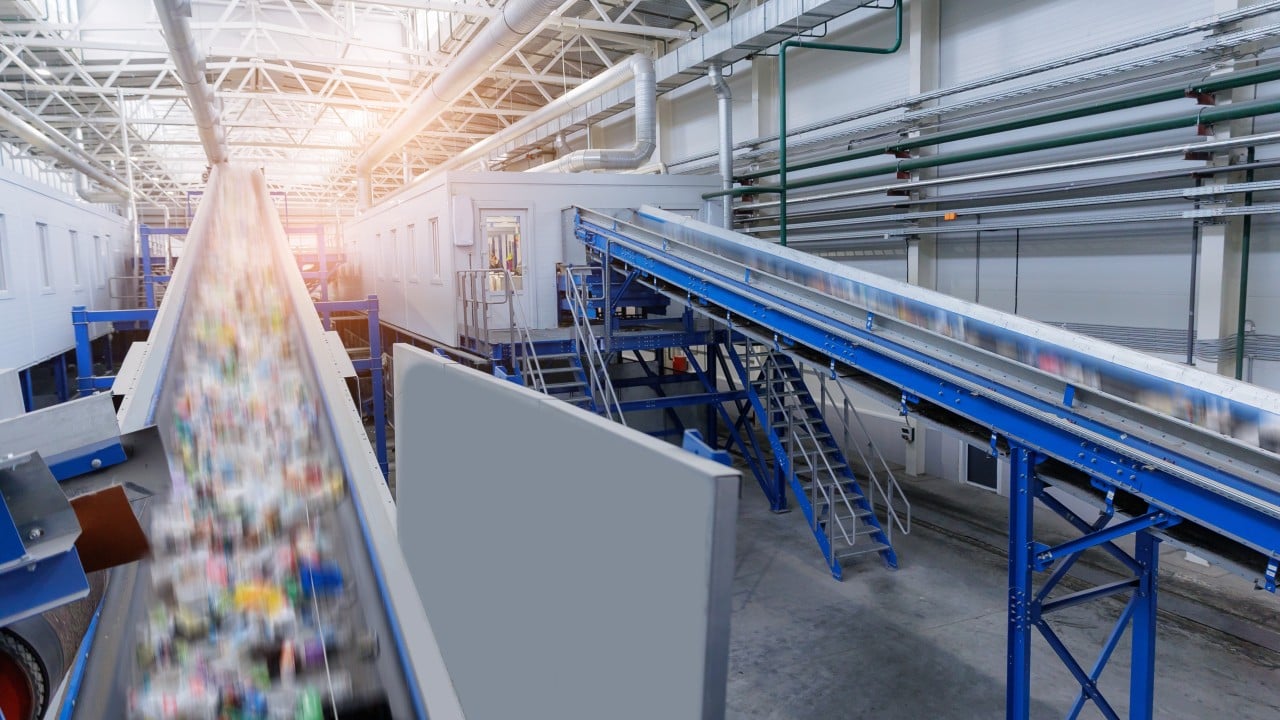
A materials science company is testing a new system in China designed to give plastic packaging waste a verified second life, amid global concern that most plastic still never gets recycled. The initiative focuses on tracking materials through the recycling chain so their origin and reuse can be documented more reliably.
What Happened
According to the source, Dow is testing its new Track and Trace Platform in China. The effort is being carried out in collaboration with partners, in a country that produces about one-third of the world’s plastic.
The project comes against the backdrop of troubling global recycling figures. A 2022 report by the Organisation for Economic Co-operation and Development found that less than 10 per cent of global plastic waste was recycled. Separate research published in Nature reported that of the 400 million tonnes of plastic produced that year, fewer than 38 million tonnes came from recycled sources.
Background
Plastic waste has become one of the defining environmental challenges of the modern economy. Large volumes of packaging are produced each year, but collection systems, sorting capacity and end-market demand for recycled material remain uneven across countries. That has left recycling rates far below the level needed to significantly reduce dependence on virgin plastic production.
China is a major player in the plastics market, both as a producer and as a consumer of packaging materials. Any technology that improves traceability in recycling could therefore have implications well beyond one national market, especially if it helps brands, recyclers and regulators verify whether plastic waste is actually being recovered and reused.
Why It Matters
Traceability tools are increasingly seen as a way to address one of recycling’s biggest weaknesses: proving that waste collected for recycling truly becomes recycled material again. If systems like Dow’s can make packaging waste easier to track, they may help support more credible recycling claims and improve confidence in recycled-content supply chains.
For Panama and Latin America, the broader significance lies in the region’s own struggle with plastic waste management, port and shipping flows, and the pressure to improve circular-economy practices. Better tracking technologies could eventually influence how multinational companies manage packaging waste across supply chains that move through the Americas, including consumer goods imported into Central American markets.
The development also reflects a wider shift in global industry toward accountability. As governments, companies and consumers demand stronger evidence that recycling works, digital trace systems may become an important tool in separating genuine circularity from vague environmental promises.