
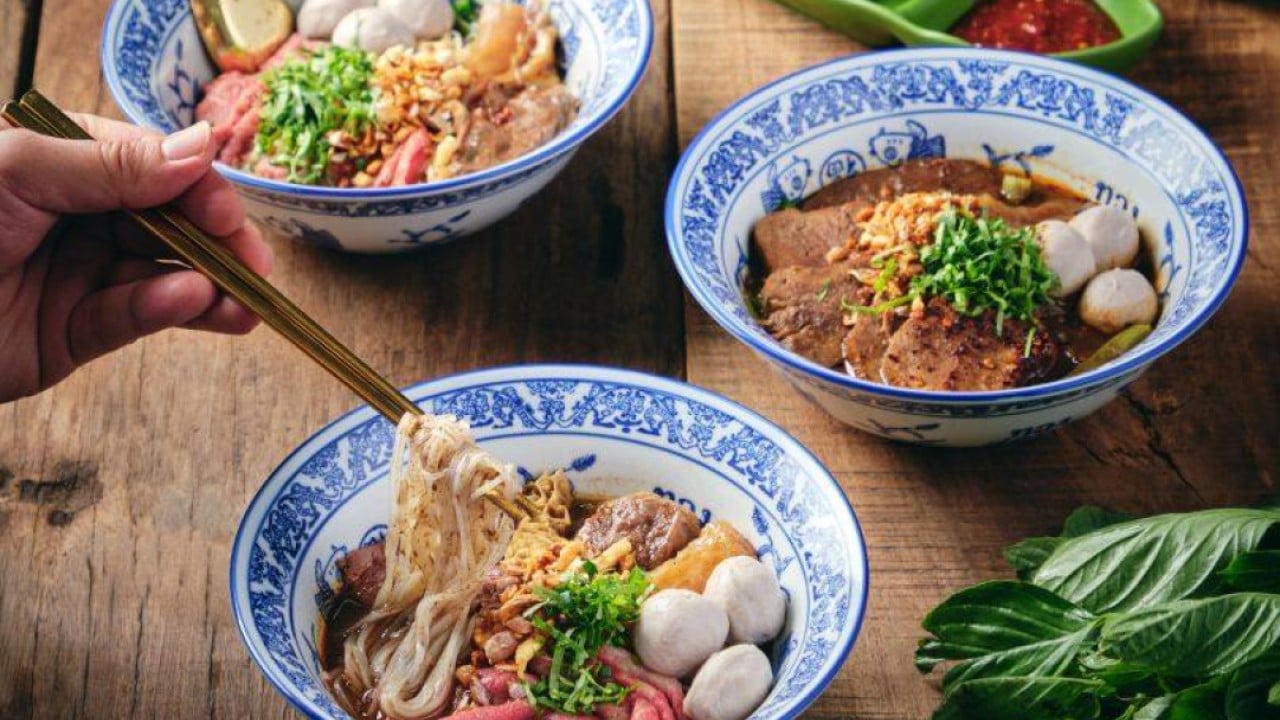
ThongSmith, the Bangkok noodle chain known for its boat noodles and premium toppings, has chosen Hong Kong as the site of its first overseas location. The move marks a notable step for the eight‑year‑old brand, which built its reputation in Thailand on a slow‑simmered broth and high-end additions such as Australian Wagyu and Kurobuta pork.
What Happened
The Bangkok‑based ThongSmith began in 2018 and has grown to more than 25 locations across the Thai capital. It made a name for itself by focusing on boat noodles — offering a concentrated, slow‑simmered broth and elevating the humble dish with premium proteins. Now, in its eighth year of operation, the chain has selected Hong Kong as its first overseas destination.
Background
Boat noodles are a long‑standing element of Thai street food, traditionally served in small portions with a rich, intense broth and a mix of meats and seasonings. Over recent years, variations of the dish have moved beyond Thailand’s waterways and street stalls into curated eateries and restaurant chains that emphasize both authenticity and upgraded ingredients.
ThongSmith’s rise in Bangkok has been driven by that blend: a classic noodle format presented with a slow‑cooked base and premium toppings such as Australian Wagyu beef and Kurobuta pork. The chain’s growth to more than two dozen sites in the capital signals strong domestic demand for this particular take on a traditional dish.
Why It Matters
ThongSmith’s decision to expand outside Thailand for the first time and choose Hong Kong is notable for several reasons. Hong Kong is a major regional food hub with a diverse dining scene and a customer base accustomed to both street‑food staples and high‑end culinary experiences. For ThongSmith, the move offers visibility among international diners and the chance to test how its elevated boat‑noodle concept travels beyond Bangkok.
For consumers in Hong Kong, the entry of a specialized Bangkok chain adds another option in the competitive market for Thai cuisine, blending familiar flavors with premium ingredients. For Bangkok’s restaurant industry, the step represents a common growth path for successful domestic brands looking to build a regional profile.
While the announcement has direct relevance primarily to diners, restaurateurs and hospitality observers, it also reflects broader trends in Asian culinary exports: street‑food concepts being formalized and scaled, and premium ingredients becoming a selling point for casual dishes. For readers in Panama and Latin America, the story underscores how local food trends can evolve into international brands, and how beloved street dishes can be repackaged for foreign markets without losing their roots.