
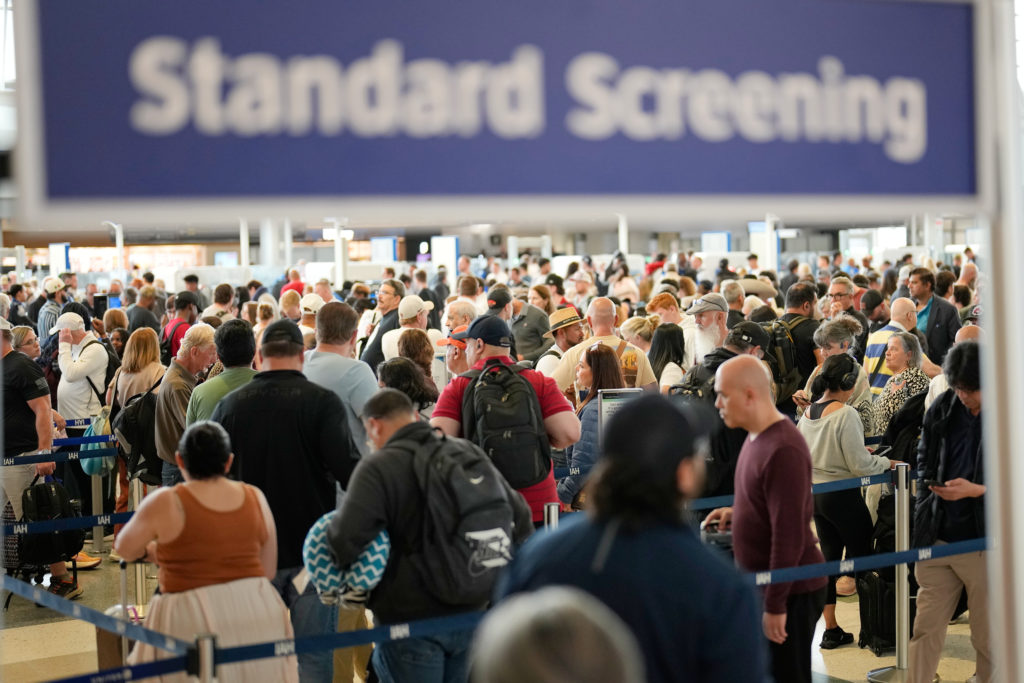
The acting head of the Transportation Security Administration warned that air travelers are experiencing the highest airport wait times ever recorded under her agency, a spike coming as the U.S. federal government shutdown stretches into its 40th day with no deal reached. The development has heightened concerns about travel disruption during a peak season for international connections.
What Happened
Agency leadership has publicly acknowledged that passenger wait times at U.S. airports have reached record levels under the TSA’s watch. The statement came amid a prolonged U.S. government shutdown now in its 40th day, and officials say there remains no agreement to end the stoppage. The acting head of the TSA directly linked current passenger experiences — longer lines and delays at security checkpoints — to the operational realities the agency is facing during the shutdown.
Background
The Transportation Security Administration, a component of the Department of Homeland Security, is responsible for screening passengers and baggage at airports across the United States. Government shutdowns can affect federal operations in different ways; essential personnel often continue working but under strained circumstances. The TSA has previously reported operational pressure during periods of budget uncertainty and workforce stress, and the current shutdown has renewed scrutiny of how durable airport operations are when federal funding and staffing are unsettled.
Air travel in and out of the United States relies on timely security screening at major hub airports. Delays at checkpoints can ripple across airline schedules, affecting connections for international travelers and cargo flows that move through U.S. gateways. With the shutdown continuing and no deal yet announced, federal agencies that underpin aviation operations face continued disruption risks.
Why It Matters
Longer wait times at security lines matter to passengers, airlines and international partners. For travelers originating in or passing through U.S. airports, extended processing times can increase missed connections, create overcrowding in terminals and raise operational costs for carriers. Latin American travelers and those flying between Panama and the United States may see tighter connection windows and more uncertainty when transiting U.S. hubs.
Beyond individual inconvenience, sustained delays can erode confidence in U.S. airport efficiency and complicate tourism and business travel schedules. Airlines may need to adjust boarding and turnaround plans to accommodate slower checkpoint throughput, and airport operators may face greater pressure to coordinate with federal agencies to manage passenger flows. For Panama and other countries in the region that rely on U.S. connections for tourism and trade, persistent disruption at U.S. airports could translate into practical headaches for travelers and logistics planners alike.
With the shutdown unresolved on its 40th day, travelers and industry stakeholders will be watching federal developments closely for signs of relief or further operational strain at airports nationwide.