
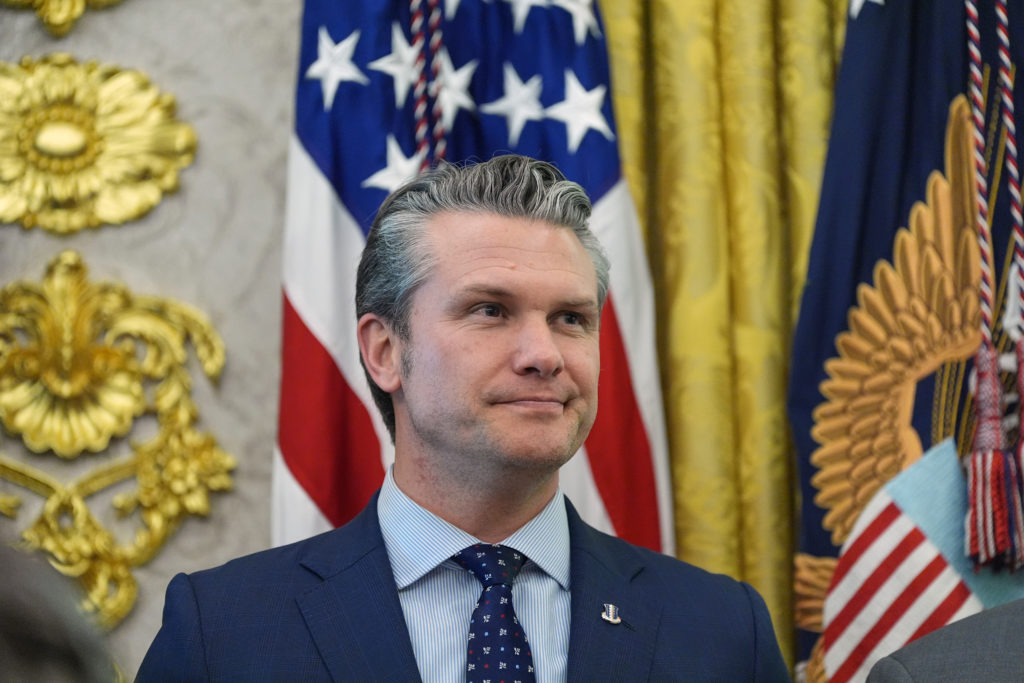
Defense Secretary Pete Hegseth on Wednesday hosted a monthly Christian prayer and worship service at the Pentagon, the first such gathering at the building since the Iran war began. The event marks a resumption of a regular religious observance led by the Pentagon’s civilian leadership amid an active conflict involving Iran.
What Happened
On March 25, 2026, Defense Secretary Pete Hegseth hosted a monthly Christian prayer and worship service at the Pentagon. According to a brief report, this was the first occurrence of the monthly service at the headquarters since the Iran war began. The service was described as a Christian prayer and worship gathering held on Pentagon grounds and led by the defense secretary.
Background
Religious services and chaplain programs have long been part of military life and are a fixture at many military installations, including headquarters facilities. The Pentagon, as the Department of Defense headquarters, accommodates chaplaincy functions and religious observances for service members, civilian employees and invited guests. The defense secretary, as head of the Defense Department, sometimes participates in or hosts events that touch on morale, spiritual life and the welfare of personnel.
The reference that this was the first monthly service since the Iran war began connects the gathering to the broader context of an ongoing conflict that has affected U.S. defense activity and global security considerations. That wartime context can influence the tone and public attention around religious and ceremonial events held by senior officials.
Why It Matters
The resumption of a Pentagon-hosted Christian worship service under the defense secretary highlights the continuing intersection of religion, military leadership and public life. Such events serve multiple functions: they can offer spiritual support and community for service members and civilians, but they also raise questions about inclusivity and the relationship between personal faith and governmental institutions.
In the context of an active war involving Iran, symbolic acts and public-facing gatherings by top defense officials attract heightened scrutiny. Observers often watch for how leadership rituals reflect the priorities and tone of the Defense Department during conflict, and how those rituals are perceived by service members of diverse religious backgrounds and by international audiences.
For readers in Panama and across Latin America, the incident has indirect relevance. U.S. defense posture and domestic messaging during a conflict can influence regional diplomacy, security perceptions and global markets. More broadly, the event is part of an ongoing conversation about the role of faith in public institutions, a theme that resonates in many countries across the hemisphere where civil-military relations and religious pluralism are active public issues.
While the reported facts are limited to the resumption of the monthly Christian service and its timing relative to the Iran war, the development underscores how routine ceremonial practices can take on added significance during periods of international tension.