
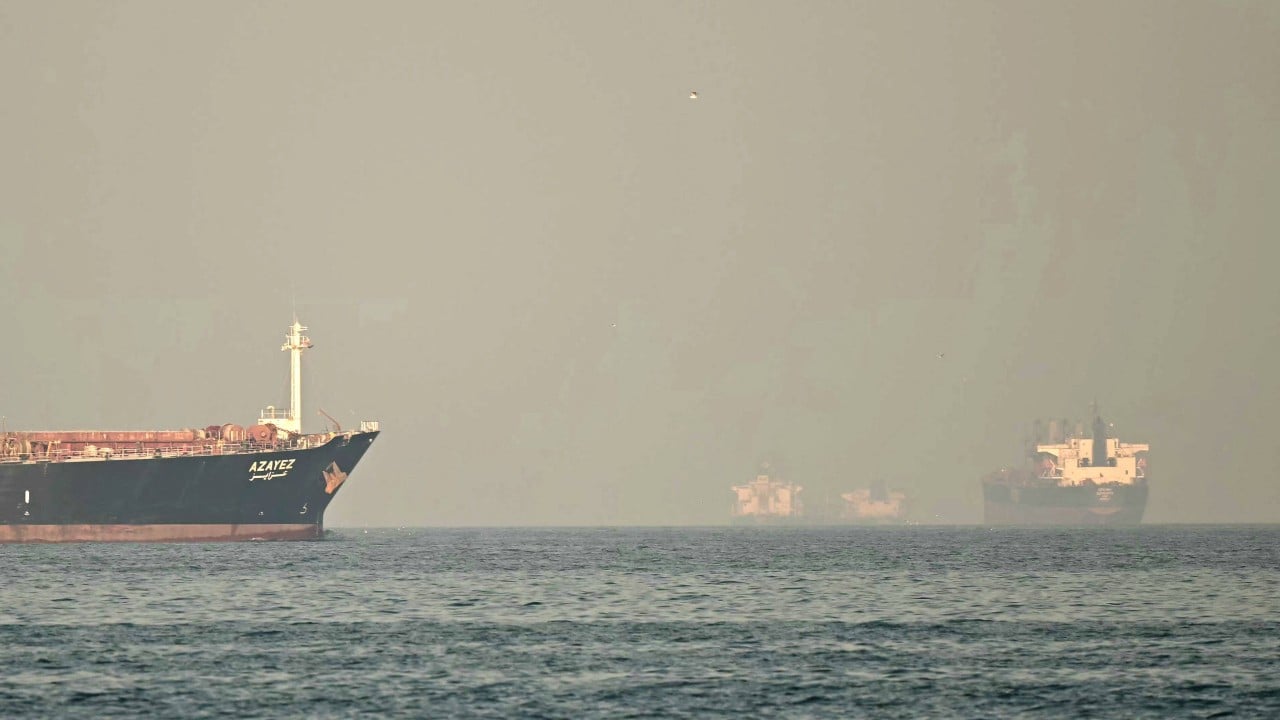
Japan should consider dispatching its warships to help secure the Strait of Hormuz alongside other navies, a former top national security adviser told Prime Minister Sanae Takaichi’s predecessor, saying a special measures law would be required to make such a move possible — even before any ceasefire, according to the adviser.
What Happened
Akihisa Nagashima, who served as a national security adviser to the predecessor of Prime Minister Sanae Takaichi, argued Japan ought to contemplate sending naval forces to the Strait of Hormuz to protect both Japanese and foreign vessels. Nagashima said such operations would require passage of a special measures law because they would go beyond Japan’s past overseas security activities. He also said Japan could act alongside other nations in a joint maritime security role — and that the deployment could take place prior to a formal ceasefire related to the ongoing crisis referenced by the adviser.
Background
The Strait of Hormuz is a narrow but strategically vital waterway through which a large share of global oil shipments transit; disruptions there can reverberate across world energy markets and maritime trade. Japan, as a major energy importer, has long been attentive to security in the Gulf region.
Japan’s post‑war security posture has been shaped by constitutional constraints and a cautious approach to overseas military deployments. In practice, Tokyo has on occasion used special legislation to enable Self‑Defense Forces activities abroad — for example, past laws have authorised non‑combat or support missions such as refuelling and logistics assistance alongside international coalitions. Nagashima’s call would represent an expansion of the legal and operational scope for Japan’s naval forces.
Why It Matters
The proposal highlights a broader debate inside Japan about the limits of its security policy and how far Tokyo should go to protect national and allied interests abroad. Sending warships to the Strait of Hormuz would be a visible demonstration of Japan taking a more assertive role in safeguarding maritime routes that are critical to its economy.
Any move to deploy Japanese naval forces would involve legal, political and diplomatic calculations: lawmakers would need to enact or amend legislation to authorise operations, and Tokyo would need to coordinate with partners already operating in the Gulf. The suggestion that such deployments could occur “even before a ceasefire” signals a willingness by some Japanese policymakers and advisers to act pre-emptively to protect shipping, rather than waiting for a negotiated halt to hostilities.
For Panama and Latin America, the link is indirect but real. Disruptions in the Strait of Hormuz can affect global energy prices and shipping patterns, with knock‑on effects for maritime insurance, fuel costs and global trade flows that reach ports and canal users worldwide. Any shift in Japan’s naval posture therefore bears watching for its potential to influence international maritime security practices and the stability of seaborne commerce.