
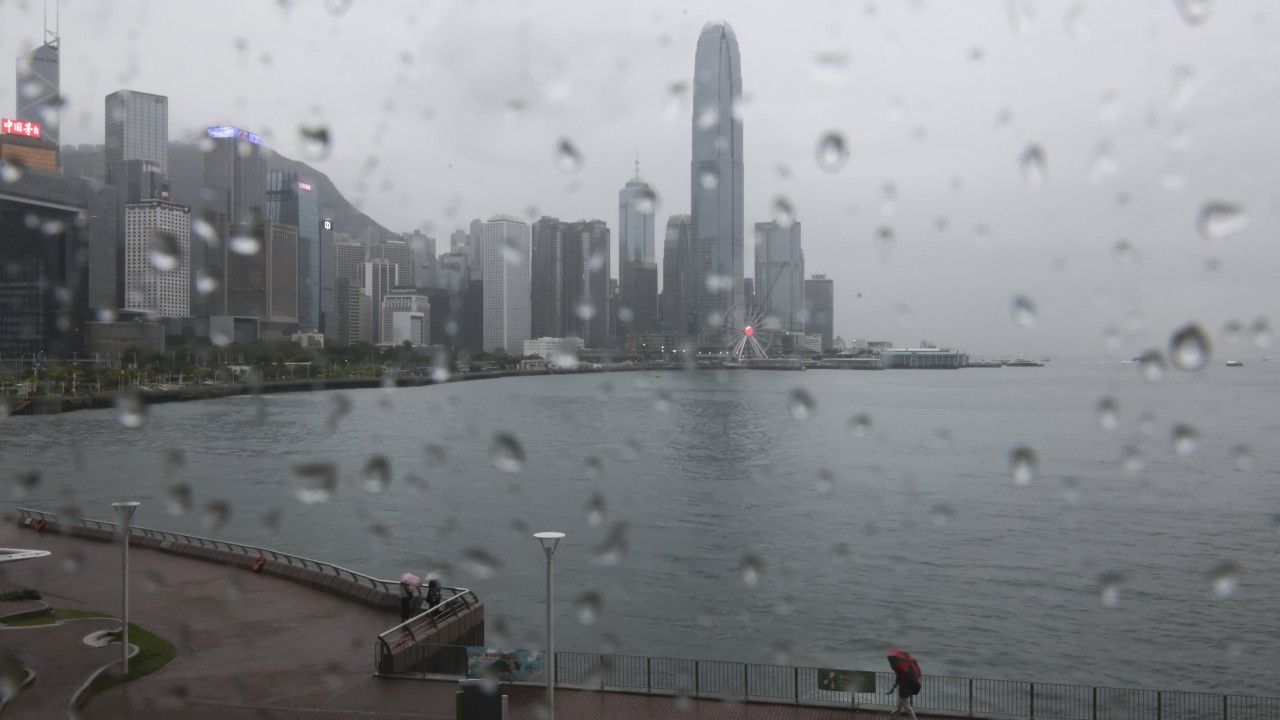
Hong Kong’s meteorological service is predicting a quieter typhoon season in 2026 — but not a milder one. The Hong Kong Observatory’s long‑range forecast points to just four to seven typhoons between June and October, markedly fewer than last year’s record 14, even as the city faces above‑normal temperatures driven by a warming El Niño and broader climate change.
What Happened
The Hong Kong Observatory released a long‑range outlook indicating four to seven typhoons may strike or affect the territory between June and October. That projection is fewer than half the 14 typhoons recorded during the previous year, which set a new local record. At the same time, the Observatory expects temperatures to run above normal, a pattern it links to the developing El Niño phenomenon and ongoing global warming.
Background
El Niño is a naturally occurring ocean‑atmosphere cycle centred on warming in the tropical Pacific. It tends to shift global weather patterns and, depending on its strength, can raise temperatures and alter rainfall patterns in many regions. Scientists and meteorological agencies monitor El Niño because it can influence the timing, frequency and intensity of storms across the Pacific basin.
Climate change has increased baseline temperatures worldwide and is expected to influence the behaviour of tropical cyclones. While a lower number of storms may reduce the frequency of direct hits, higher sea surface temperatures and greater atmospheric moisture can fuel heavier rainfall and amplify certain hazards when storms do occur. Last year’s extraordinary run of 14 typhoons in Hong Kong underlined the potential for rapid swings in seasonal activity.
Why It Matters
A forecast of fewer typhoons might suggest reduced risk, but the combination of elevated temperatures and ongoing climate change changes the picture. Above‑normal heat increases heat‑related health risks, strains energy and water systems, and can complicate emergency responses. Meanwhile, the potential for more intense rainfall from individual storms means flooding and landslides remain real threats.
For residents and authorities in Hong Kong, the message is one of preparedness: infrastructure, emergency services and community planning must account for both heat stress and episodic severe weather. Hong Kong’s experience also has wider relevance. El Niño‑driven changes in the tropical Pacific can affect weather across Latin America and Central America, altering rainfall patterns, drought risk and sea surface conditions that influence regional fisheries and agriculture.
Although Panama and neighbouring countries are separated from Hong Kong by geography, the underlying drivers — a strengthening El Niño and a warming climate — are global. Policymakers and communities across regions that depend on predictable seasonal weather should watch forecasts closely and bolster resilience against both heatwaves and extreme precipitation events.
In short, a lower typhoon count does not eliminate risk. The Observatory’s forecast underscores the evolving nature of weather threats in a warming world: fewer storms on the calendar can still coincide with heightened hazards when those storms and ambient conditions are intensified by El Niño and climate change.