
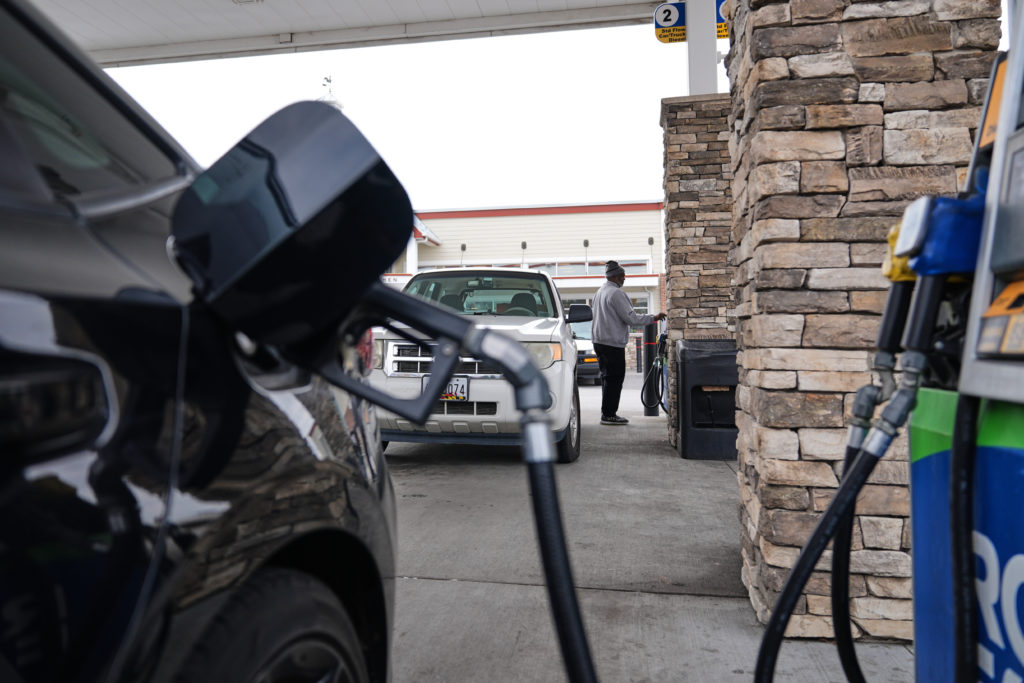
The Environmental Protection Agency has cleared the continued sale of E15 — a gasoline blend with up to 15% ethanol — through the summer months, a move the agency says will help drivers and corn growers by keeping fuel slightly cheaper but that critics warn will likely increase air pollution.
What Happened
The EPA announced that fuel retailers will be allowed to continue selling E15 this summer. The decision preserves access to a lower-cost gasoline blend for consumers at the pump and maintains demand for ethanol, a fuel largely produced from U.S. corn. At the same time, federal officials and environmental analysts have cautioned that higher-ethanol blends can contribute to air quality problems, particularly during warmer months when volatile emissions rise.
Background
E15 is a commercial fuel blend composed of roughly 85% gasoline and 15% ethanol. Ethanol in the United States is predominantly derived from corn, making policies on ethanol sales consequential for agricultural markets and farmers. Because ethanol is often priced below pure gasoline, blending it into fuel can reduce the per-gallon cost at the pump, offering direct savings to motorists.
However, scientific and regulatory debates have long accompanied ethanol blending. Higher ethanol content can alter fuel evaporation characteristics and increase emissions of volatile organic compounds when temperatures climb, which in turn can exacerbate ground-level ozone and smog — air pollutants linked to respiratory and other health problems. Environmental groups and air-quality regulators have therefore raised concerns about expanding or extending the sale of higher-ethanol blends during summer months when ozone formation is most likely.
Why It Matters
The EPA’s decision touches multiple policy areas: consumer costs, farm economics and air quality. For drivers, continued access to E15 could mean modest savings at the pump this summer, translating into relief for households that face rising transportation expenses. For corn growers, sustained demand for ethanol supports commodity prices and the agricultural sector that supplies the biofuel industry.
Conversely, the move raises environmental and public-health questions. Allowing higher-ethanol blends to be sold during warmer months increases the risk of higher evaporative emissions and worsened ozone levels in some areas, which can affect vulnerable populations such as children, the elderly and people with respiratory conditions.
For readers in Panama and across Latin America, the decision is primarily a U.S. domestic policy shift, so direct impacts on local fuel supplies will be limited. Still, changes in U.S. ethanol demand can influence global corn markets and feedstock prices, and the debate reflects broader regional conversations about the trade-offs between biofuel policies, agricultural interests and air-quality outcomes.
The EPA’s E15 approval this summer therefore represents a balancing act between lowering consumer fuel costs and protecting air quality — a tension that will shape policymaking and public discussion in the months ahead.