
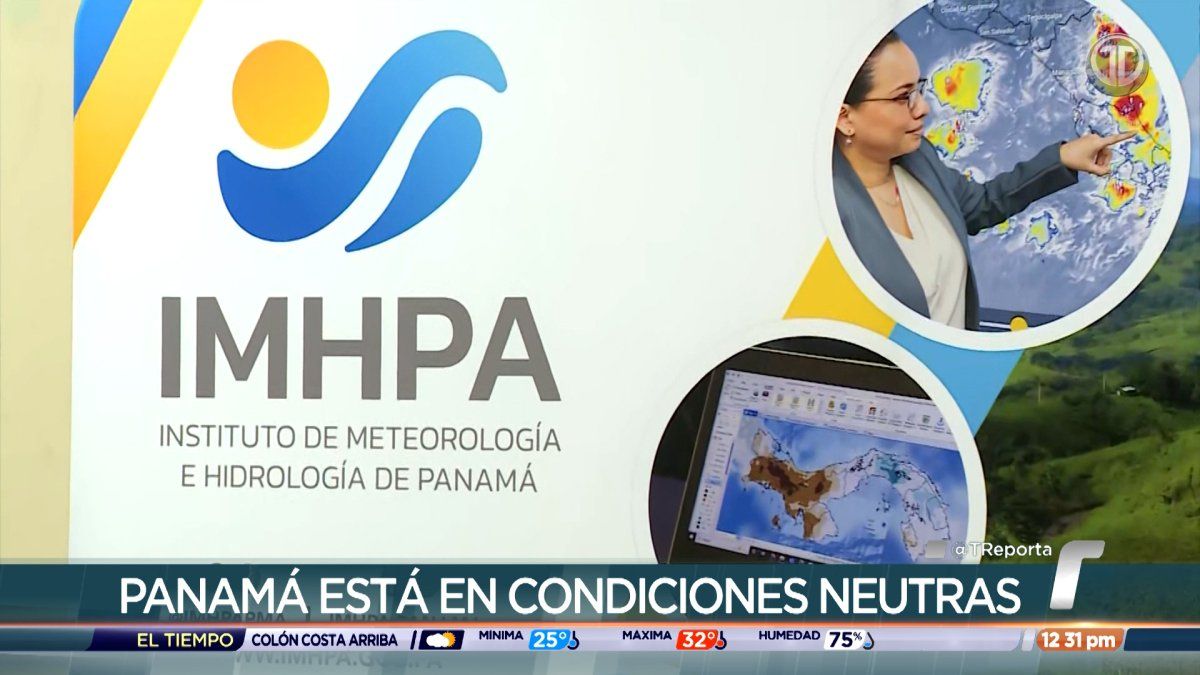
The Instituto de Meteorología e Hidrología de Panamá (IMHPA) has warned there is a 62% probability that the El Niño climate phenomenon will affect Panama during June, July and August. The agency’s assessment raises early questions about potential impacts on weather, agriculture and water resources across the country.
What Happened
IMHPA issued a probability estimate indicating a 62% chance that El Niño conditions will be present in Panama in the period from June through August. The institute’s brief bulletin highlights the likelihood but does not specify the intensity or duration of any event beyond that three-month window.
Background
El Niño is a recurring climate pattern linked to warming of the central and eastern tropical Pacific Ocean. When it occurs, it can alter atmospheric circulation and weather patterns globally. IMHPA’s announcement is an early-season probability assessment used to inform planners and the public about elevated odds of an El Niño developing or influencing local weather.
What This Could Mean for Panama
While IMHPA’s statement does not list specific impacts, El Niño events have historically been associated with shifts in rainfall and temperature patterns. In Panama, such shifts can affect sectors including agriculture, water management and fisheries. Possible consequences — depending on the strength and timing of the event — include changes in seasonal rainfall distribution, hotter-than-average temperatures in some regions, and implications for crop planning and water supply management.
What to Watch
IMHPA and other relevant authorities typically provide updated forecasts and guidance as conditions evolve. Farmers, water utilities and emergency planners may monitor subsequent bulletins for more detailed regional predictions and advisories. Early awareness of the 62% probability gives public and private sector actors time to review contingency plans and adaptive measures.
What This Means
The IMHPA probability estimate does not guarantee that El Niño will occur, but it signals above-even odds for the June–August period. Continued monitoring and timely communication from meteorological and sectoral authorities will be important to translate this early forecast into effective preparedness actions.