
What Happened
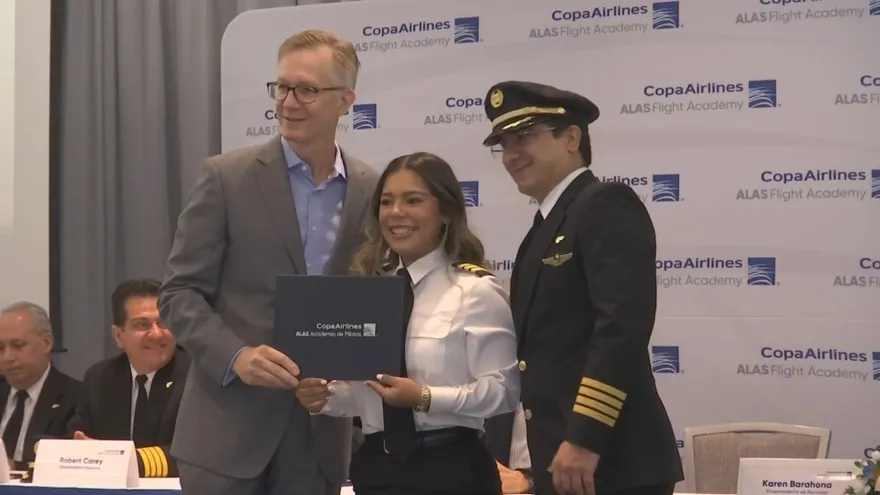
Copa Airlines marked a milestone in its efforts to develop local aviation talent with the graduation of 42 pilots from the Academia Latinoamericana Superior de Aviación (ALAS). The new cohort completed their training at ALAS, the institution responsible for their instruction, as part of an ongoing alliance between the academy and the airline.
Background
ALAS provides professional pilot training and has established a partnership with Copa Airlines intended to strengthen Panama’s pool of trained aviation professionals. The alliance connects the academy’s training pipeline with opportunities in commercial aviation, reinforcing a pathway for locally trained pilots to pursue careers in the sector.
What This Means
The graduation of these 42 pilots represents a direct investment in local human capital for Panama’s aviation industry. By supporting domestic training programs, Copa and ALAS aim to increase the availability of qualified pilots trained to meet industry standards, which may help airlines operating in and from Panama maintain operational capacity and resilience.
For students and families considering careers in aviation, the partnership underscores that local training institutions can lead to professional opportunities within the national aviation ecosystem. For Copa, the alliance with ALAS is a strategic means to cultivate talent aligned with the airline’s operational needs.
Implications and Next Steps
While the graduation is a clear short-term outcome of the ALAS–Copa partnership, its broader impact will depend on how many graduates transition into commercial roles and how the industry absorbs new pilots. Continued collaboration between training academies and airlines can help sustain a steady flow of qualified personnel, but tracking placement and career progression will be important to measure long-term success.
Looking ahead, stakeholders in Panama’s aviation sector may view this graduation as an encouraging sign for workforce development. Maintaining and expanding such alliances could play a role in supporting both job creation and the operational needs of carriers connected to Panama.