
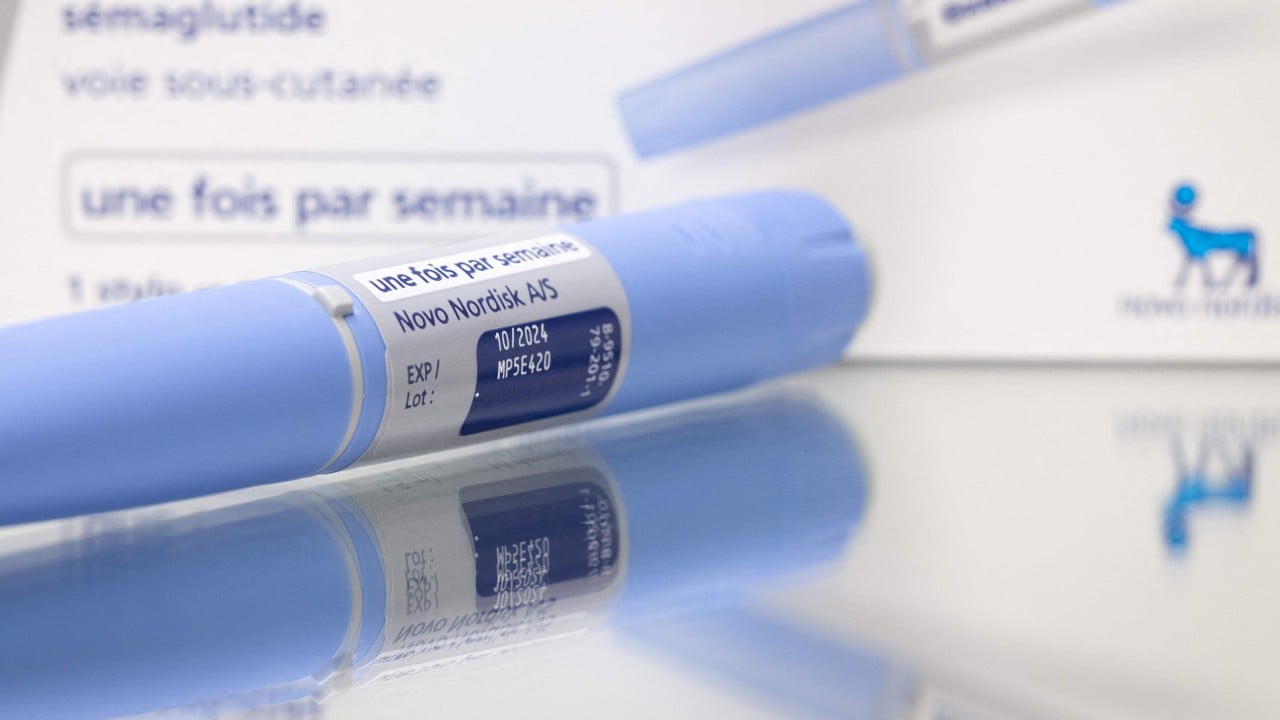
China’s market for weight‑loss medicines is poised for a competitive shakeup after Novo Nordisk’s semaglutide lost patent protection in the country, prompting at least 10 domestic injection and oral candidates to seek regulatory approval. The move comes as Beijing speeds up drug approvals and forges more licensing deals with international pharma, in a market analysts project could reach about US$14 billion by 2030.
What Happened
On March 20, Novo Nordisk’s blockbuster semaglutide lost patent protection in China, clearing the way for rival manufacturers to pursue generic or biosimilar versions in the country. Semaglutide generated about US$35 billion in global revenue last year, making it one of the world’s best‑selling medicines.
Following the patent lapse, at least 10 weight‑loss injections and oral pills have lined up for regulatory approval in China, according to reporting. The country’s drug regulator has been accelerating approvals of innovative therapies, a trend supported by a surge in out‑licensing deals between Chinese firms and global pharmaceutical companies.
Background
Semaglutide, the molecule at the centre of this shift, has been a leading therapy in the global obesity and weight‑management market. Its rapid rise in sales has attracted attention from competitors and policymakers worldwide. In China, regulators have recently moved to streamline and hasten the approval process for new and innovative medicines, a change that has encouraged both domestic development and international partnerships.
The domestic pipeline now includes multiple injectable and oral formulations aimed at weight loss. The entry of these competitors follows broader industry dynamics: patent expiries typically open markets to lower‑cost alternatives, while active out‑licensing and collaboration between Chinese and foreign companies can speed technology transfer and market entry.
Why It Matters
The patent lapse and the influx of competing candidates could reshape global and regional access to weight‑loss therapies. Increased competition in China may lead to lower prices and wider availability of semaglutide‑type treatments within the Chinese market. That, in turn, could influence global supply chains and pricing strategies for manufacturers, potentially prompting changes in how drugmakers market and distribute weight‑loss medicines elsewhere.
For Panama and the wider Latin American region, the immediate effects are indirect but notable. If Chinese manufacturers succeed in producing lower‑cost alternatives and scale exports, that could add new sources of supply to global markets, which may ultimately put downward pressure on prices outside high‑income countries. Additionally, faster approval pathways and active licensing in China illustrate a broader shift in how major pharmaceutical markets are evolving — a trend that Latin American regulators and health systems will watch when negotiating access and procurement terms for costly innovative therapies.
Beyond pricing, the entry of more competitors raises questions about quality standards, regulatory scrutiny, and post‑marketing surveillance. Chinese regulators’ accelerated approval process and expanded out‑licensing activity suggest Beijing is keen to boost domestic biopharma capacity and global competitiveness. How these new products perform in clinical practice and whether they meet international regulatory expectations will be closely monitored by health authorities and purchasers worldwide.
Finally, the commercial stakes are significant. With semaglutide generating about US$35 billion globally last year, the disappearance of patent exclusivity in a major market like China invites aggressive strategic responses from incumbents and challengers alike — ranging from pricing adjustments to new formulations or licensing arrangements. The coming months of regulatory reviews and market entries will indicate whether domestic Chinese producers can translate approvals into meaningful competition and broader access for patients seeking weight‑loss treatments.