
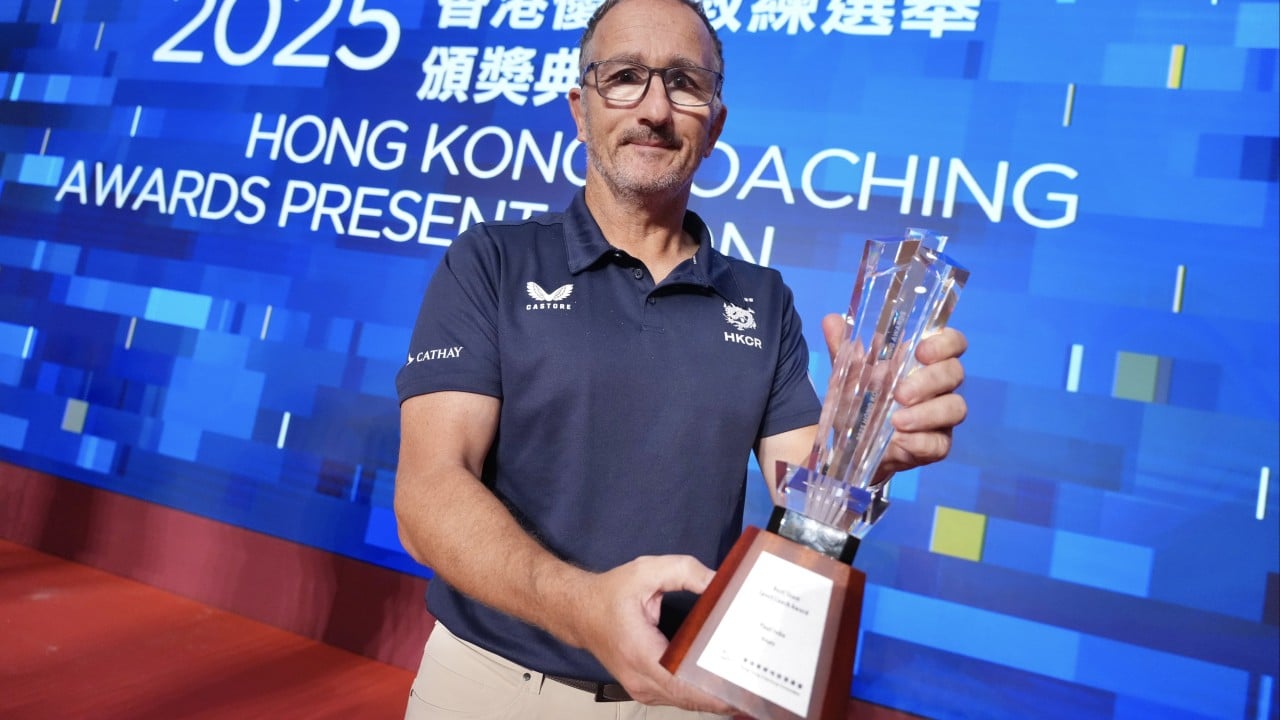
Paul John, now into his 10th year leading Hong Kong’s sevens programme, said he still has “unfinished business” after being honoured at the city’s Coaching Awards — a reminder of ambitions that stretch beyond regional success to the world stage and the Olympics.
What Happened
John was named best team coach at the Hong Kong Coaching Awards after a strong 2025 for his side. Under his stewardship, Hong Kong’s men won National Games gold and claimed the Asia Rugby Sevens Series title in 2025. The season did not begin without setbacks: the city team narrowly lost an HSBC SVNS 3 semi-final to Canada earlier this year, a defeat that cost them promotion within the HSBC SVNS structure.
Background
Paul John has overseen Hong Kong’s sevens programme for a decade, building a profile for the team across Asia and on the international sevens circuit. The Asia Rugby Sevens Series is the regional competition through which Asian teams measure themselves and qualify for higher-level tournaments. The HSBC SVNS (formerly part of a tiered global sevens circuit) offers promotion and relegation opportunities and is an important pathway for teams aiming to secure regular competition against top international sides.
Rugby sevens also has an elevated international profile as an Olympic sport, having returned to the Olympic programme in 2016. For smaller unions and territories such as Hong Kong, strong performances in regional series and SVNS events are key to gaining experience, raising standards and competing for spots at world tournaments and Olympic qualification events.
Why It Matters
John’s award and his declaration of unfinished business underscore how seriously Hong Kong treats its sevens programme. Success at the National Games and the Asia Rugby Sevens Series in 2025 demonstrates the team’s competitiveness in the region, but the narrow loss in the HSBC SVNS semi-final highlights the fine margins that separate advancing teams from those that remain a step behind.
The pursuit of world and Olympic-level targets has strategic implications for talent development, funding and scheduling for Hong Kong Rugby. Continued progress on those fronts could raise the profile of the sport locally, encourage investment in coaching and youth programmes, and improve opportunities for Hong Kong players to test themselves regularly against top international competition.
While the immediate impact is primarily on Hong Kong’s rugby calendar and ambitions, regional rivals in Asia will be watching. Stronger performances by Hong Kong can lift the competitiveness of Asia’s sevens landscape overall, creating a tougher environment for qualification to global events — a dynamic that matters to national unions across the region.
For now, the coaching award is recognition of the work John and his staff have done. The team’s 2025 successes provide a platform, but recent setbacks in SVNS competition serve as a reminder of the challenges that remain as Hong Kong aims to translate regional dominance into sustained global and Olympic presence.