
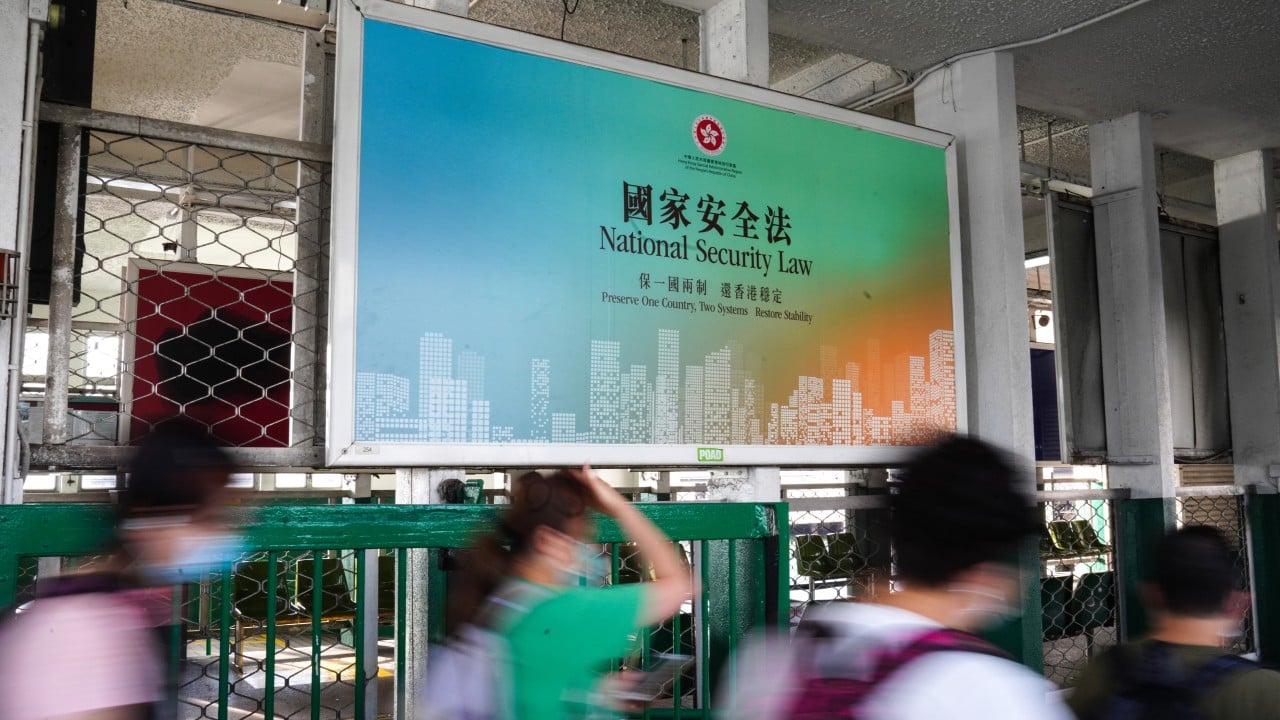
Hong Kong officials have moved to revise the implementation rules for the city’s national security law, aiming to clarify how searches and investigations are carried out under existing powers. Experts quoted in reporting said the procedural changes are designed to improve operational efficiency as officials contend with heightened geopolitical risks and evolving online threats.
What Happened
Changes to the implementation rules for Hong Kong’s national security law were announced and described by analysts as procedural rather than substantive alterations. According to the reporting, a legal expert and a former security minister said the amendments lay out investigation procedures more clearly for searches conducted under the law’s existing powers. An academic cited in the report argued the move responds to online threats that could involve external forces. As one source put it: “There are new procedures, but there are no new powers.”
Background
Hong Kong’s national security law was imposed by Beijing in 2020 and criminalises acts broadly defined as secession, subversion, terrorism and collusion with foreign forces. Since its enactment, the law has reshaped the territory’s legal and political environment and has been accompanied by the development of implementing measures and procedures to guide law enforcement. International observers, rights groups and some foreign governments have criticised parts of the law and the way it has been applied, citing concerns about civil liberties and the independence of legal processes. At the same time, Hong Kong authorities and supporters of the law maintain it is necessary to protect stability and national security amid complex geopolitical tensions.
Why It Matters
Procedural clarifications matter because they affect how powers are put into practice on the ground. Streamlined search and investigation procedures can speed up law enforcement operations and reduce ambiguity for officers and prosecutors. Officials framing the changes as procedural — not adding new powers — is intended to signal that the revisions are administrative refinements rather than an expansion of legal reach.
The stated focus on online threats also reflects a broader global trend: governments around the world are adapting security rules to address digital communications, social media and cross-border information flows that can be exploited by outside actors. For Hong Kong, where digital platforms play a prominent role in political organisation and information exchange, updating procedural rules for investigations may be seen by authorities as a necessary step to respond to perceived vulnerabilities.
For Panama and Latin America, the immediate practical impact is limited, but the development is relevant to international companies, law firms and financial institutions that monitor legal and regulatory risk in global hubs. Changes in Hong Kong’s operational procedures can influence business confidence, compliance practices and how foreign entities engage with Hong Kong as a regional centre. More broadly, any adjustments to how security laws are implemented in major financial and trading centres are watched by governments and private actors worldwide because of potential implications for rule-of-law perceptions and transnational cooperation on crime and cybersecurity.
Observers will likely continue to scrutinise how the revised procedures are applied in practice and whether they change the pace or focus of investigations under the national security law. For now, authorities and the experts cited in reporting present the amendments as a clarification aimed at improving efficiency amid heightened geopolitical and online risks.