
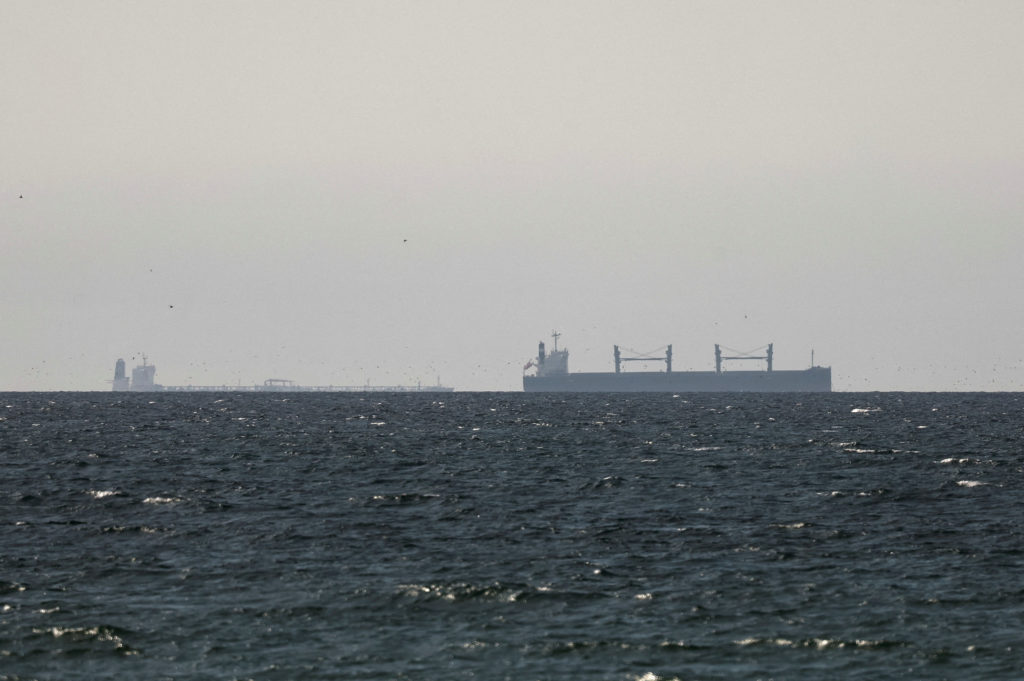
President Trump and his supporters maintain they were prepared for the possibility that Iran could block the Strait of Hormuz. Still, critics say the president’s changing strategy has intensified concerns that he is searching for answers after taking the country to war without a clear plan for how to end the conflict.
What Happened
White House allies insist contingency planning anticipated the risk that Iran might seek to close or disrupt passage through the Strait of Hormuz. Despite those assurances, the president’s approach has appeared erratic to observers and opponents, prompting criticism that his administration is reacting to events rather than executing a coherent, long-term strategy. The debate centers on whether U.S. military and diplomatic planning included a credible exit strategy following the decision to go to war amid heightened tensions with Tehran.
Background
The Strait of Hormuz is one of the world’s most important maritime chokepoints, linking the Persian Gulf with the Gulf of Oman and the Arabian Sea. A significant portion of global seaborne oil shipments transit the strait, so any disruption there can quickly ripple through international energy markets. Over the years, tensions between the United States and Iran have periodically raised the risk that Tehran could attempt to close or interfere with traffic through the waterway, prompting repeated calls for contingency planning from regional partners and energy-importing nations.
Historically, the U.S. presence in the region has included naval patrols, coalitions of partner navies and logistical arrangements intended to keep commercial shipping lanes open during crises. Political leaders and military planners often emphasize both preparedness for immediate contingencies and planning for longer-term outcomes, including how to disengage forces and secure political objectives once military missions have been achieved.
Why It Matters
The controversy over the administration’s Hormuz strategy matters beyond Washington because the strait’s stability affects global energy supplies and shipping costs. If a major power were to block or significantly disrupt the strait, markets typically respond quickly, pushing up oil prices and creating volatility that can slow growth worldwide. For Latin America and nations like Panama, indirect effects can include increased fuel and shipping costs and wider economic uncertainty.
Questions about a clear exit plan also carry political and strategic weight. Critics argue that entering a conflict without a credible roadmap for achieving and sustaining objectives raises the risk of prolonged engagement, unanticipated escalation and damage to alliances. Supporters counter that contingency preparations are part of standard defense planning. The current debate reflects wider scrutiny of how policymakers weigh immediate military options against long-term political consequences in high-stakes regions.
As the dispute over the Strait of Hormuz strategy continues, the clash between assurances of preparedness and accusations of improvised decision-making highlights persistent tensions in U.S. foreign policy: balancing deterrence, rapid response and the need for a clear exit strategy in any military undertaking.