
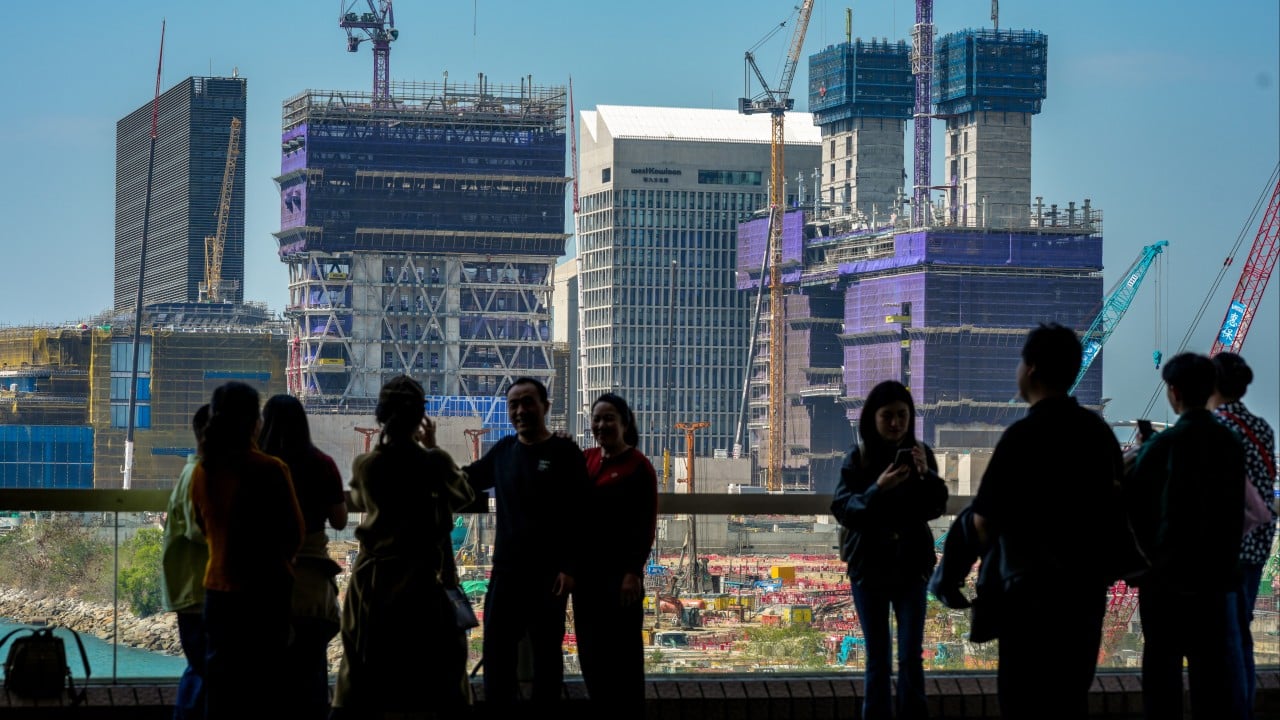
Hong Kong developer Sun Hung Kai Properties is intensifying its bet on a mix of arts and commercial projects in the West Kowloon Cultural District, positioning itself to capture demand tied to the city’s evolving role as a cross-border asset and wealth management hub even as office rentals remain subdued.
What Happened
Sun Hung Kai Properties (SHKP) is steering a significant portion of its West Kowloon portfolio toward projects that combine cultural and commercial uses. The company holds about 8 million square feet of office and commercial space in West Kowloon and has set out to make its developments stand out within that portfolio. Within the arts hub of the cultural district, SHKP is the sole developer constructing the Artist Square, a focal point of its culturally oriented real estate activity.
Background
The West Kowloon Cultural District is Hong Kong’s principal arts and cultural zone, conceived to host museums, performance venues and public spaces that raise the city’s cultural profile. At the same time, Hong Kong has been developing as a designated cross-border asset and wealth management hub, a role that encourages financial and private-wealth activity across regional markets. These two trajectories — cultural development and financial services — are converging in parts of West Kowloon where developers are seeking to combine creative space with commercial real estate to attract a broader range of tenants and visitors.
At present, Hong Kong’s office rental market is described as subdued, creating a challenging backdrop for landlords and developers that rely on traditional office demand. In that context, integrating arts and cultural amenities into commercial schemes is increasingly presented as a way to differentiate assets and offer alternative draws for occupiers and visitors.
Why It Matters
Sun Hung Kai’s strategy underscores a broader trend among major developers to blend culture and commerce as a response to soft office markets and shifting occupier preferences. Cultural programming and arts-focused facilities can help generate foot traffic, raise a development’s profile and diversify income streams beyond conventional office leases. For the West Kowloon Cultural District specifically, SHKP’s role as the sole developer of the Artist Square concentrates a notable private-sector investment in the area’s creative infrastructure.
Embedding arts into commercial developments also aligns with Hong Kong’s push to deepen its financial and wealth-management functions by offering an environment attractive to high-value clients and international firms that value cultural amenities alongside business services. While the immediate effects on rents and leasing are uncertain, the move highlights how real estate players are adapting their product to a market in flux.
For observers of global urban development, the West Kowloon example shows how cultural districts can be used strategically to add competitiveness and resilience to commercial portfolios when traditional office demand weakens. The outcome in Hong Kong may offer a model other cities and developers watch as they seek to balance cultural investment with commercial returns.