
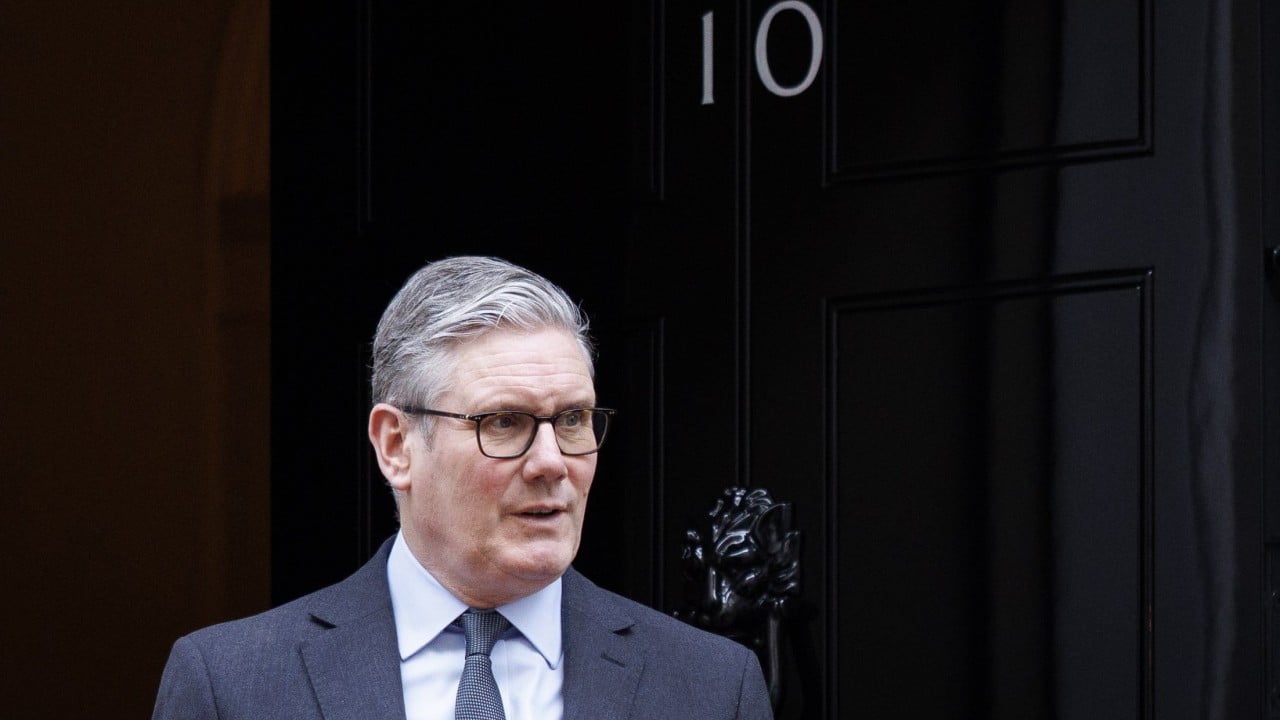
British Prime Minister Keir Starmer will chair an emergency meeting on Monday to assess the economic fallout from the escalating war in Iran, the government said, calling in Finance Minister Rachel Reeves and Bank of England Governor Andrew Bailey as investors brace for volatile markets.
What Happened
The government announced that Prime Minister Keir Starmer will convene a Monday meeting focused on the economic consequences of the war in Iran. Finance Minister Rachel Reeves and Bank of England Governor Andrew Bailey are due to attend. The move comes after Iran warned it would strike the energy and water systems of Gulf neighbours if US President Donald Trump follows through with a threat to hit Iran’s electricity grid. Investors are preparing for another stormy week in financial markets as that threat raises the prospect of disruption to energy supplies and regional stability.
Background
The participants named by the government underscore the twin priorities facing Downing Street: fiscal and monetary readiness. The finance minister leads on government fiscal policy and contingency planning, while the Bank of England governor oversees monetary policy and financial-stability measures that can be deployed if markets seize up. In recent weeks, tensions between Iran and the United States have generated uncertainty in global markets, with particular focus on energy infrastructure in the Gulf — a region critical to global oil and gas supplies. Market volatility often prompts swift coordination between finance ministries and central banks to protect savers, businesses and the broader economy.
Why It Matters
Even if the conflict remains regionally contained, threats to energy and water systems in the Gulf can ripple through global markets. Disruption to electricity or to oil and gas flows can push up energy prices, unsettle financial markets and increase borrowing costs — outcomes that can slow growth and squeeze households. For the UK, sudden shocks can translate into higher inflation, more volatile bond and currency markets, and pressure on household budgets and public finances. Coordinated government and central bank action aims to limit those spillovers and restore market calm.
The implications extend beyond Europe. Global energy-price spikes and shipping disruptions could affect trade routes and freight costs that matter to Latin America and Panama. The Panama Canal is a choke point for global maritime traffic; large swings in shipping patterns or fuel costs can influence canal revenues and import-export economics for the region. Policymakers and businesses in affected markets routinely monitor developments in the Gulf for that reason.
By convening senior economic officials, the UK government is signaling readiness to assess options ranging from liquidity support to targeted measures to shield households and businesses if market conditions deteriorate. The meeting will be watched by investors and policymakers seeking clarity on possible responses as tensions in the Gulf unfold.